
Oriental Shorthair
A sleek, big-eared chatterbox who wants to be involved
The Oriental Shorthair is a long, elegant cat with very large ears, a wedge-shaped head and a close, glossy coat in a wide range of colours. It is affectionate, loud and endlessly curious, and it thrives on attention and play.
Last updated
- Devoted
- Vocal
- Curious
- Athletic
How the Oriental Shorthair fits your home
- ChildrenUsually a good match
- DogsUsually a good match
- Other catsUsually a good match
- Apartment livingUsually a good match
Caring for a Oriental Shorthair
- Give around 45 minutes of active play daily, with tall cat trees and puzzle feeders, to burn off their considerable energy
- The short coat only needs a weekly rub with a soft brush or a damp cloth, but the thin coat means they feel the cold
- Some lines are affected by heart disease and dental problems, so regular vet checks and tooth care are worthwhile
Notes for cat sitters
- Plan lots of interaction - a bored Oriental can invent its own games, usually with your belongings
- Talk back and respond calmly to loud calling; ignoring it can make the cat more persistent
- Ensure windows, balcony doors and any netting are secure, as they are agile climbers and jumpers
A care plan for your Oriental Shorthair
This breed enjoys about 45 minutes of play a day. Around 2 sitter visits a day keeps that routine going, along with fresh food, water and a clean litter tray, when work or travel gets in the way.
45
Minutes of play a day
2
Suggested visits a day
Cat sitting
Best-matched service
Common questions about the Oriental Shorthair
Are Oriental Shorthairs very vocal?+
Yes, they are among the most talkative cats and will chat, demand and complain in a loud voice. Play and company reduce it but do not remove it.
Do Oriental Shorthairs shed?+
Only lightly. The close coat sheds little and needs minimal grooming, though no cat is free of allergens.
Can they be left alone while I work?+
They cope best with company. A second cat or a midday visit from a sitter helps prevent boredom and noisy behaviour.
Similar breeds to explore
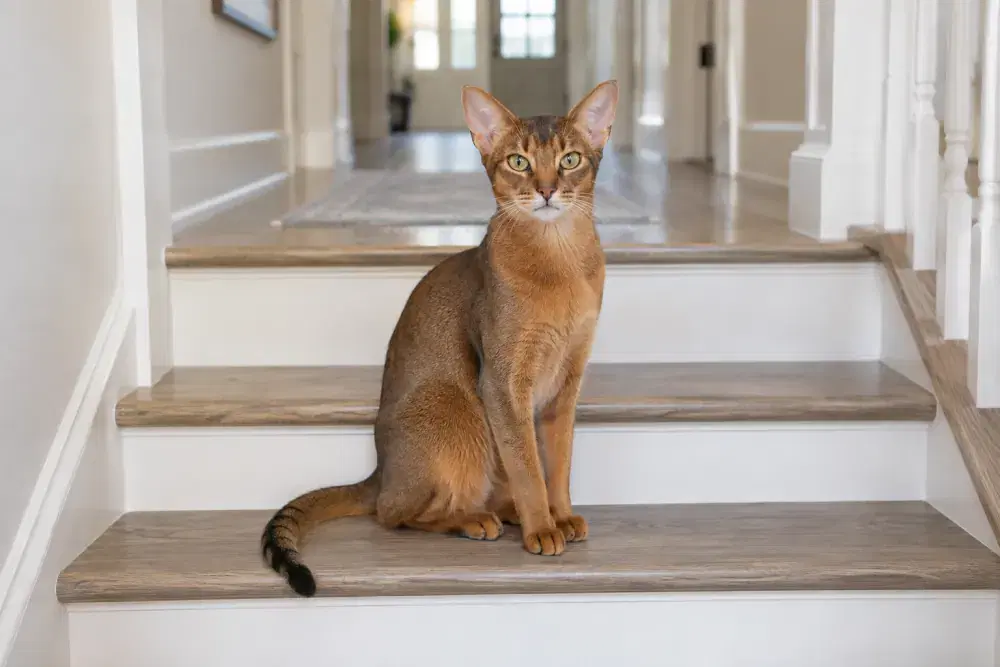 Short coat
Abyssinian
A ticked-coat athlete that needs something to explore
- Size
- Medium
- Daily play
- 60 min/day
- Lifespan
- 12-15 years
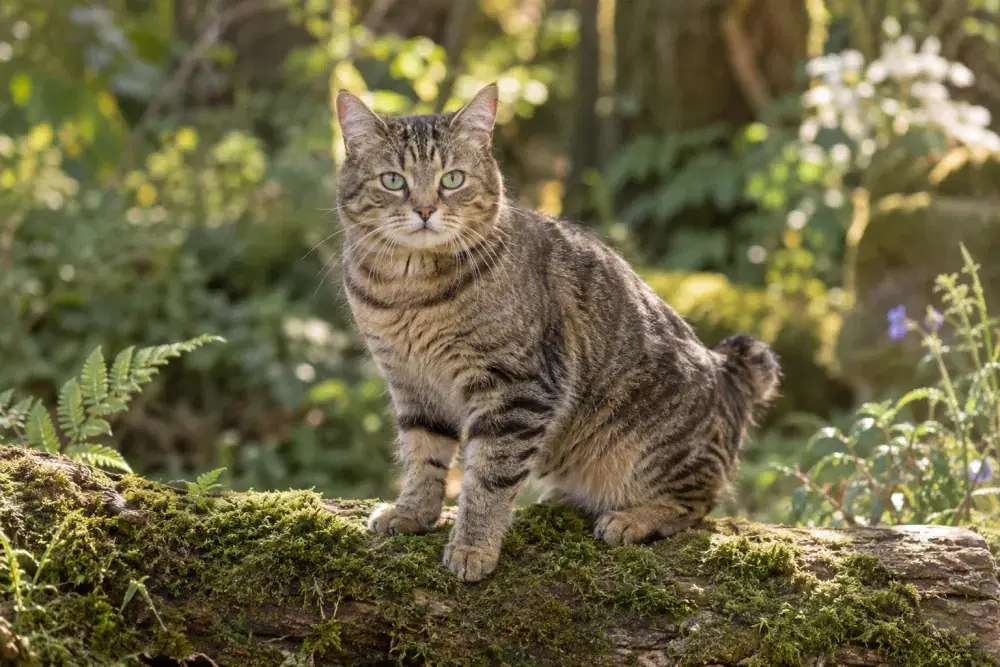 Short coat
American Bobtail
A sturdy, wild-looking cat with a short tail and a soft heart
- Size
- Medium
- Daily play
- 40 min/day
- Lifespan
- 13-15 years
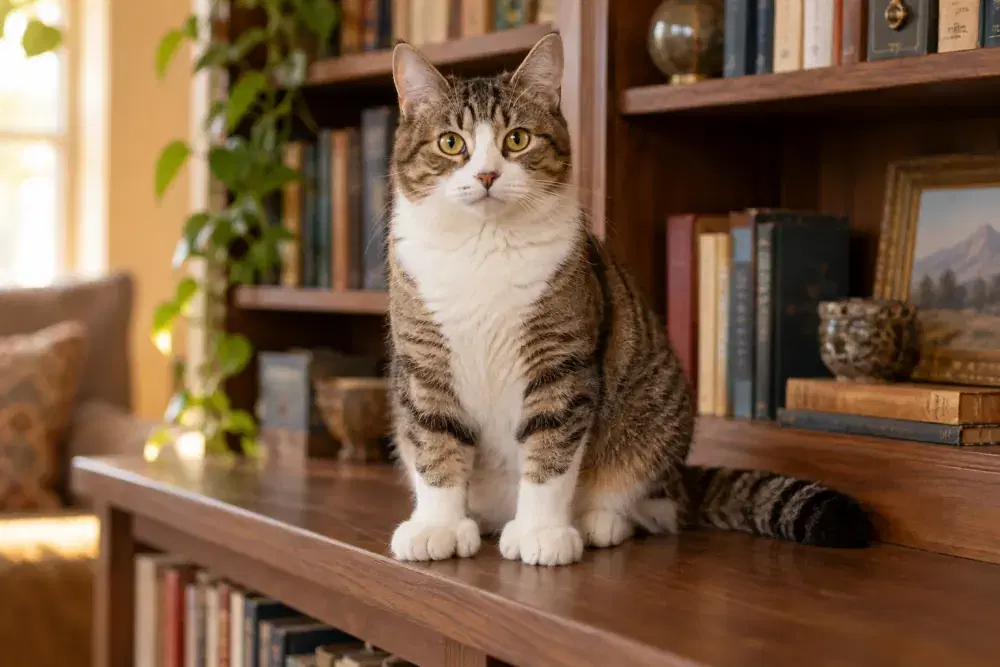 Short coat
American Polydactyl
The extra-toed cat with mitten paws and a friendly nature
- Size
- Medium
- Daily play
- 35 min/day
- Lifespan
- 12-16 years