
American Polydactyl
The extra-toed cat with mitten paws and a friendly nature
American Polydactyl describes cats of American origin with extra toes, often called mitten or Hemingway cats. It is a type rather than a tightly standardised breed, so coat and build vary, but most are sturdy, sociable and good-natured.
Last updated
- Sociable
- Good-natured
- Curious
- Dexterous
How the American Polydactyl fits your home
- ChildrenUsually a good match
- DogsUsually a good match
- Other catsUsually a good match
- Apartment livingUsually a good match
Caring for a American Polydactyl
- Toy puzzles suit these dexterous paws, and many enjoy batting and grabbing small toys
- Grooming is simple, with a weekly brush for most short-coated cats
- Check the extra toes and claws often, as they can grow at odd angles, catch on fabric or become ingrown if not trimmed
Notes for cat sitters
- Look at each paw during visits for overgrown claws or swelling and tell the owner if anything looks sore
- Use scratching posts and soft toys rather than snagging loops of fabric that could catch an extra claw
- Handle paws gently, as some cats are protective of them, and respect the owner's trimming routine
A care plan for your American Polydactyl
This breed enjoys about 35 minutes of play a day. Around 2 sitter visits a day keeps that routine going, along with fresh food, water and a clean litter tray, when work or travel gets in the way.
35
Minutes of play a day
2
Suggested visits a day
Cat sitting
Best-matched service
Common questions about the American Polydactyl
Is polydactyly harmful to a cat?+
Usually not, as the extra toes are a natural variation. Claws just need more regular checking and trimming to avoid ingrown nails.
Are American Polydactyls good family pets?+
Yes, most are friendly, tolerant and adaptable, and mix well with children and other pets when introduced calmly.
Do they need special care?+
Not much beyond paw and claw checks. Coat, energy and health needs follow the general type of the individual cat.
Similar breeds to explore
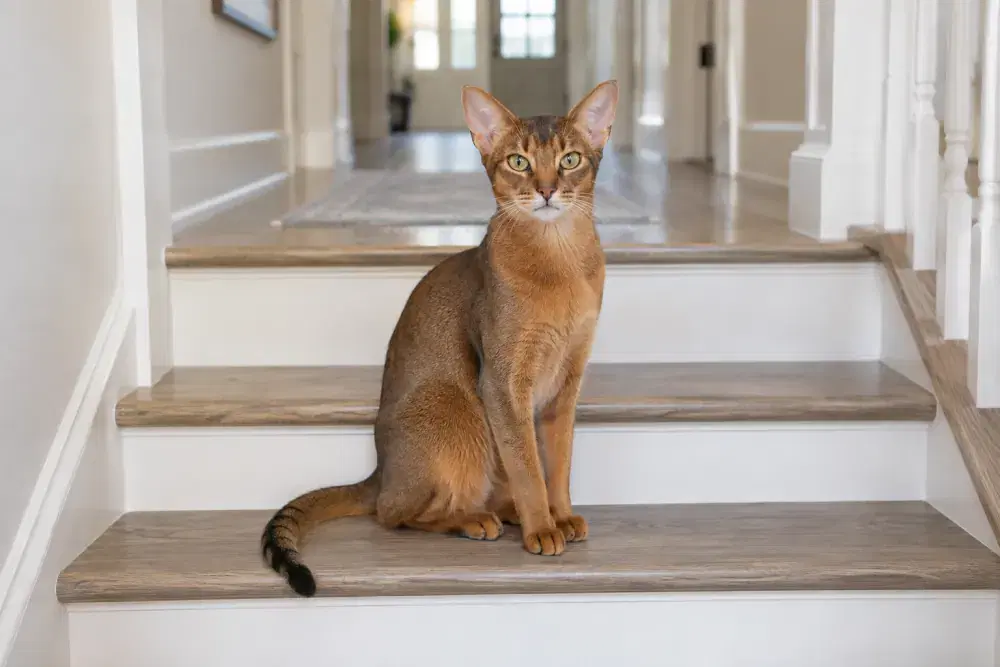 Short coat
Abyssinian
A ticked-coat athlete that needs something to explore
- Size
- Medium
- Daily play
- 60 min/day
- Lifespan
- 12-15 years
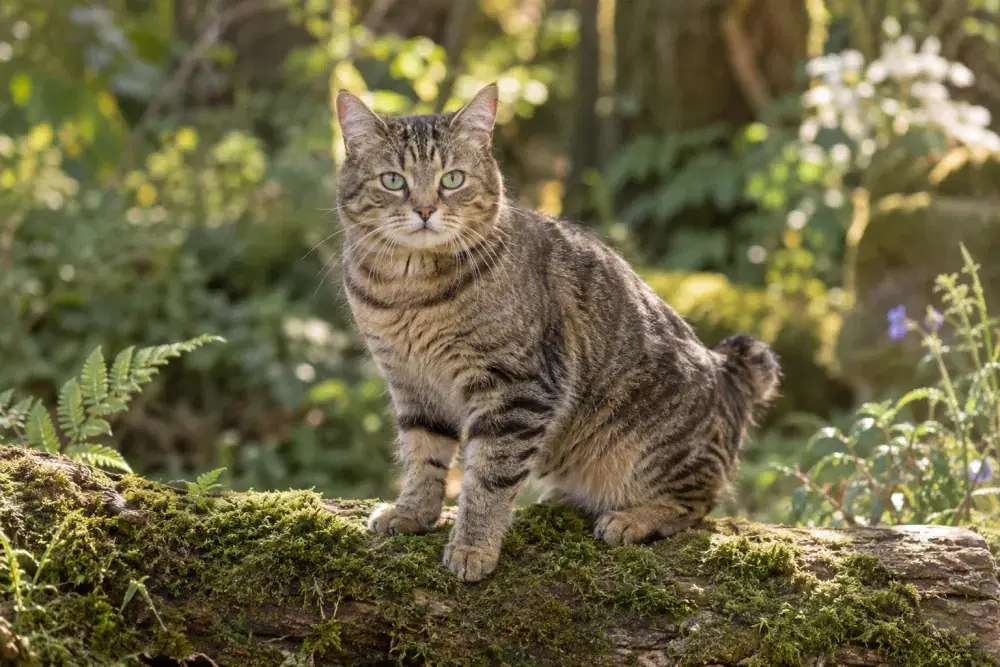 Short coat
American Bobtail
A sturdy, wild-looking cat with a short tail and a soft heart
- Size
- Medium
- Daily play
- 40 min/day
- Lifespan
- 13-15 years
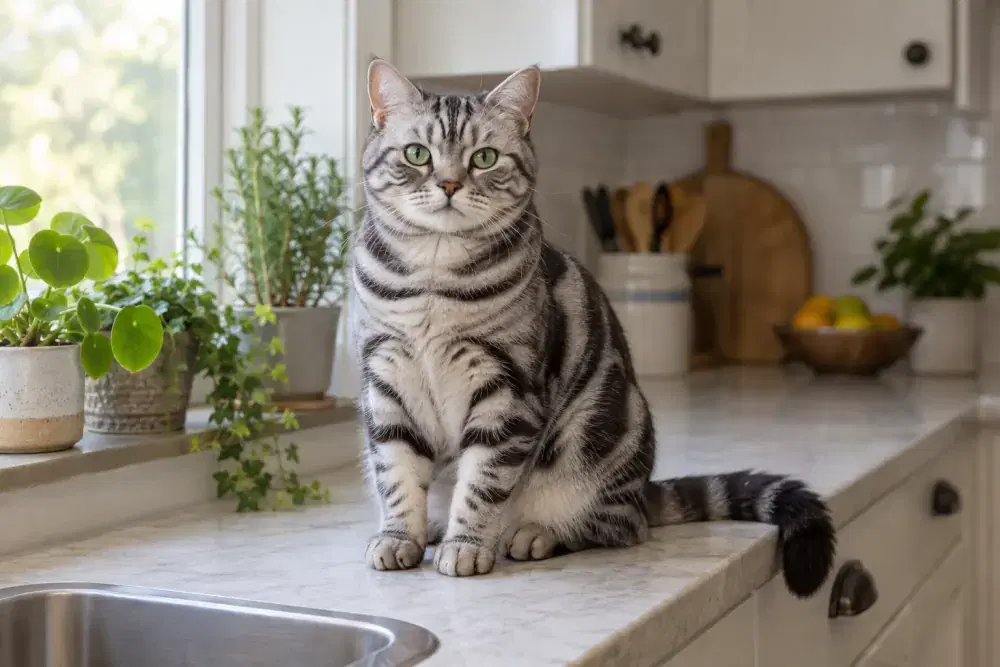 Short coat
American Shorthair
A sturdy, easygoing family cat with a hunter's heritage
- Size
- Medium
- Daily play
- 30 min/day
- Lifespan
- 13-18 years