Rhodesian Ridgeback
Also known as African Lion Hound, Ridgeback
A dignified African hunter with a ridge and a mind of its own
Bred in southern Africa to track and hold big game, the Rhodesian Ridgeback is athletic, dignified and loyal, but reserved with strangers. It needs firm, fair training and plenty of exercise. The short coat is easy to keep.
Last updated
- Loyal
- Dignified
- Reserved
- Strong-willed
How the Rhodesian Ridgeback fits your home
- ChildrenUsually a good match
- Other dogsUsually a good match
- CatsNeeds extra care
- Apartment livingNeeds extra care
Caring for a Rhodesian Ridgeback
- About 90 minutes of brisk walking, running or play a day, ideally including some off-lead time in secure areas
- A quick weekly brush is enough for the short, glossy coat
- Deep-chested dogs can suffer bloat - feed two smaller meals and avoid hard exercise around mealtimes
Notes for sitters
- Keep it on a secure lead or long line outdoors - a strong prey drive means it may chase small animals
- Use calm, consistent commands; heavy-handed methods make the breed stubborn
- Avoid introducing it to small pets and expect a slow warm-up to unfamiliar people
A care plan for your Rhodesian Ridgeback
This breed needs about 90 minutes of activity a day. Around 5 sitter-led sessions a week keeps that routine going when work or travel gets in the way.
90
Minutes of activity a day
5
Suggested sessions a week
Dog walking
Best-matched service
Common questions about the Rhodesian Ridgeback
How much exercise does a Rhodesian Ridgeback need?+
Around 90 minutes of active exercise a day, including running or hiking when adult. Without it the breed can turn destructive.
Are Rhodesian Ridgebacks good with children?+
They are affectionate and protective with their own family, but large and strong, so play with young children should be supervised.
Are Ridgebacks good for first-time owners?+
It can be a challenge. They are intelligent but independent, need early socialisation and consistent training, and do best with an experienced owner.
Similar breeds to explore
 Hound
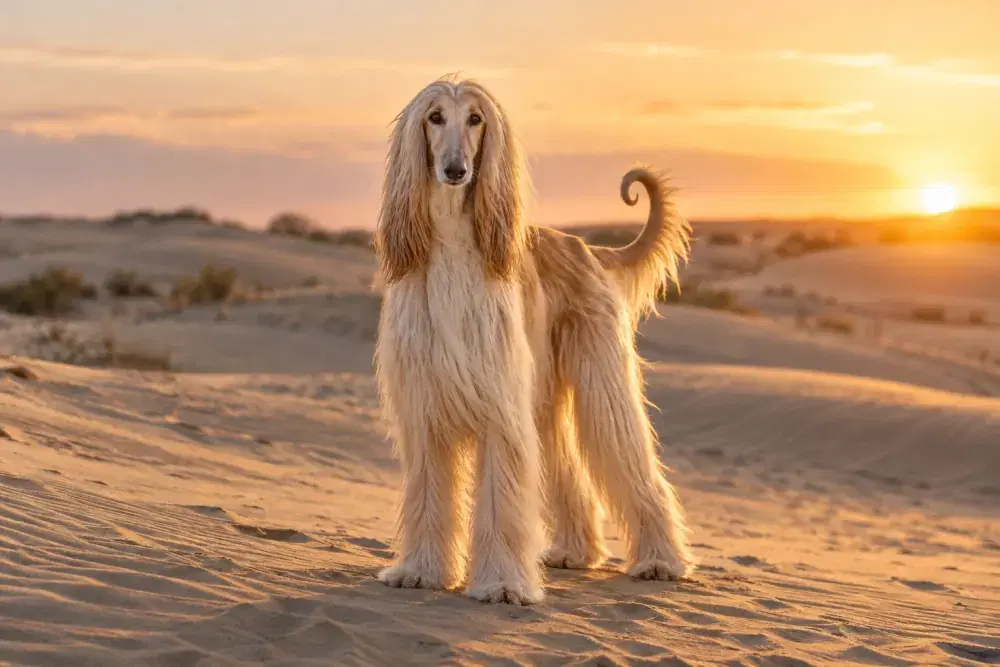
Afghan Hound
An aloof mountain sighthound in a flowing silk coat
- Size
- Large
- Exercise
- 90 min/day
- Lifespan
- 12-14 years
 Hound
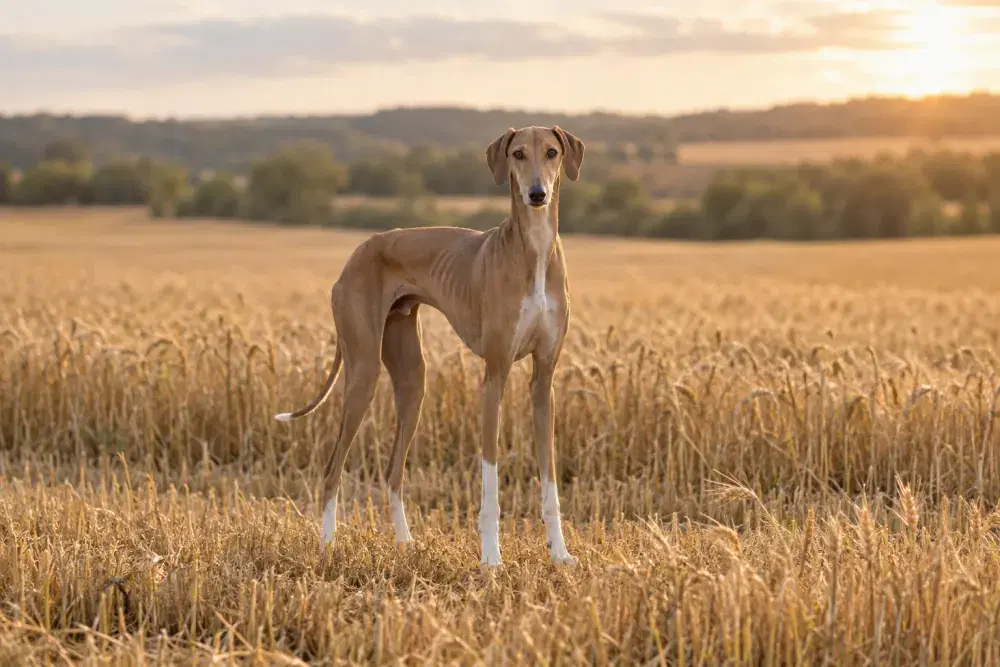
Azawakh
A lean Saharan sprinter with a loyal, watchful heart
- Size
- Medium
- Exercise
- 90 min/day
- Lifespan
- 12-15 years
 Hound
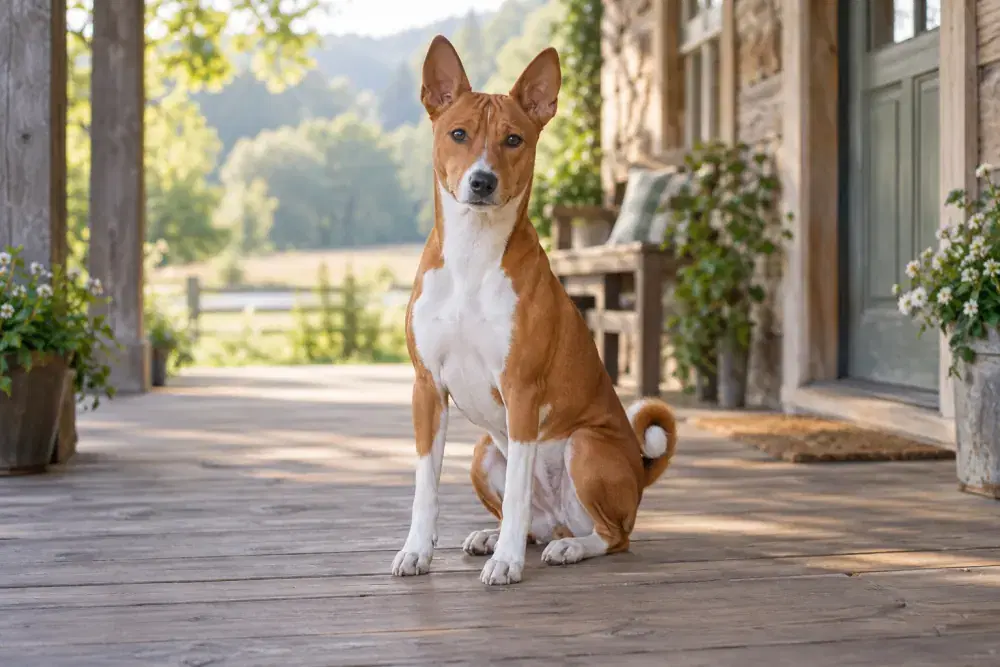
Basenji
A clever, cat-like hound that yodels instead of barking
- Size
- Medium
- Exercise
- 75 min/day
- Lifespan
- 13-14 years