Pug
Also known as Mops
A charming clown who lives for company and snacks
The Pug is a compact, good-humoured companion bred purely for company. It is friendly with everyone and loves food a little too much. The flat face makes it prone to overheating and breathing trouble, so heat and weight need close attention.
Last updated
- Charming
- Playful
- Affectionate
- Stubborn
How the Pug fits your home
- ChildrenUsually a good match
- Other dogsUsually a good match
- CatsUsually a good match
- Apartment livingUsually a good match
Caring for a Pug
- Two or three short, easy walks totalling around 40 minutes, kept cool in warm weather
- Wipe the facial folds daily and keep them dry to avoid skin irritation
- Pugs gain weight easily and breathe with effort when overweight - measure food and go easy on treats
Notes for sitters
- Never exercise a Pug in hot weather - stop at the first sign of heavy panting or snorting
- Use a harness, not a collar, and check that water is always within reach
- Stick to the owner's feeding plan; a Pug will beg convincingly for extra
A care plan for your Pug
This breed needs about 40 minutes of activity a day. Around 2 sitter-led sessions a week keeps that routine going when work or travel gets in the way.
40
Minutes of activity a day
2
Suggested sessions a week
Home visits
Best-matched service
Common questions about the Pug
Are Pugs good apartment dogs?+
Yes, they are quiet, small and content indoors. They still need daily gentle walks, and cool rooms in summer.
Do Pugs shed a lot?+
Yes, more than most people expect from a short coat. Weekly brushing with a rubber mitt or soft brush keeps loose hair down.
Are Pugs good with children?+
They are generally patient and sociable, which suits families. As with any small dog, young children should be taught to handle them gently.
Similar breeds to explore
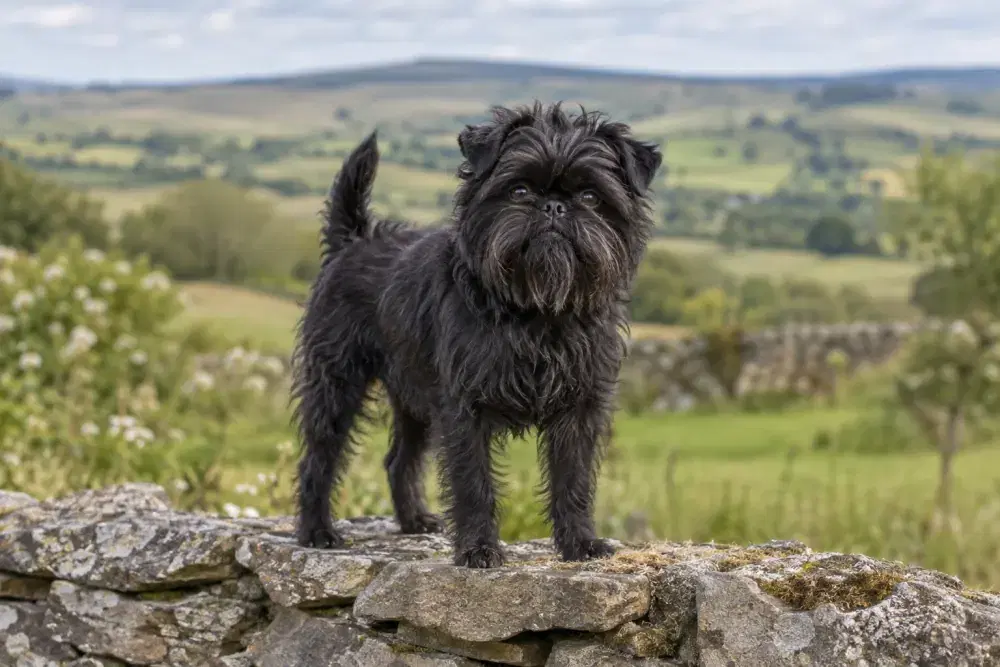 Companion
Affenpinscher
A shaggy little clown with a big personality
- Size
- Small
- Exercise
- 45 min/day
- Lifespan
- 12-15 years
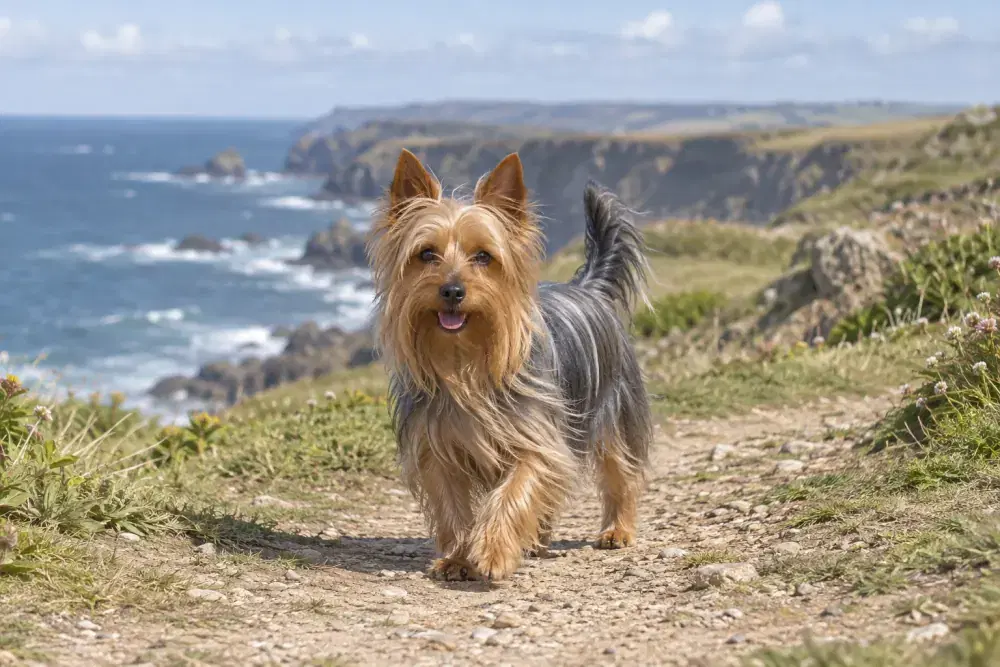 Companion
Australian Silky Terrier
A silky-coated terrier with a big-dog attitude
- Size
- Small
- Exercise
- 45 min/day
- Lifespan
- 12-15 years
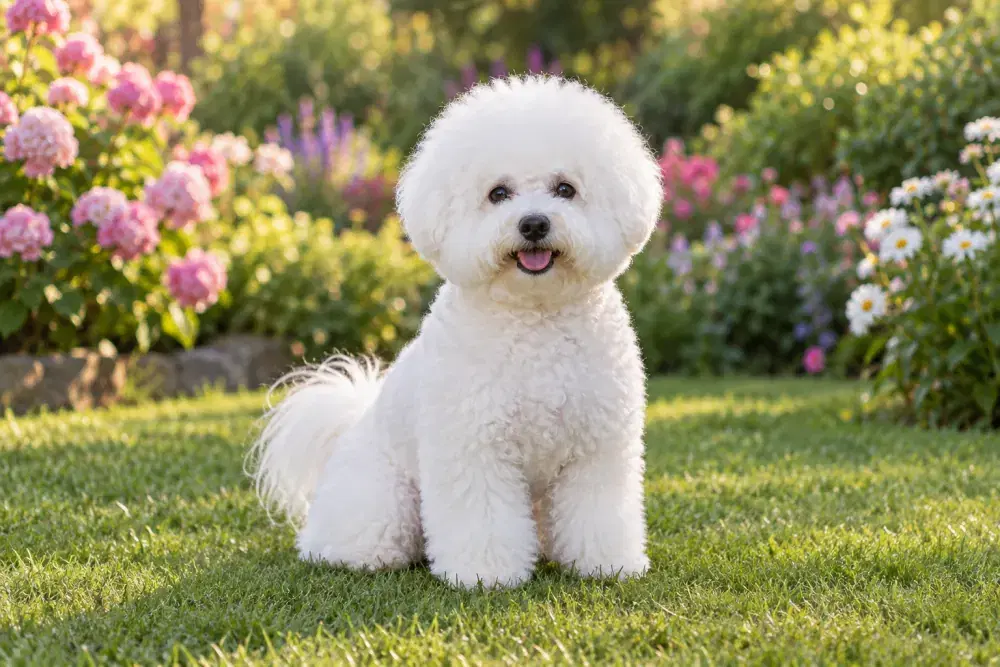 Companion
Bichon Frise
A cheerful powder puff that thrives on company
- Size
- Small
- Exercise
- 45 min/day
- Lifespan
- 12-15 years