Grand Bleu De Gascogne
Also known as Large Blue Gascony Hound
A blue-mottled French pack hound with a voice to match
The Grand Bleu de Gascogne is an old southwestern French pack hound, bred to track hare and larger game by scent with a deep, musical voice. It is gentle and sociable but needs space, long scent-led exercise and a tolerance for baying.
Last updated
- Gentle
- Scent-driven
- Sociable
- Vocal
How the Grand Bleu De Gascogne fits your home
- ChildrenUsually a good match
- Other dogsUsually a good match
- CatsNeeds extra care
- Apartment livingNeeds extra care
Caring for a Grand Bleu De Gascogne
- Around 90 minutes of daily exercise, ideally with plenty of sniffing and long tracking-style walks
- The short coat needs a weekly brush, and the long ears should be checked and cleaned regularly
- Baying is natural for the breed, so keep it occupied and expect noise if it is bored or left alone
Notes for sitters
- Keep it on a long lead in open areas - once on a scent it may ignore recall completely
- Check the ears after damp or muddy walks, as the hanging shape traps moisture
- Give sniffing games and scent work at home to tire the mind as well as the body
A care plan for your Grand Bleu De Gascogne
This breed needs about 90 minutes of activity a day. Around 5 sitter-led sessions a week keeps that routine going when work or travel gets in the way.
90
Minutes of activity a day
5
Suggested sessions a week
Dog walking
Best-matched service
Common questions about the Grand Bleu De Gascogne
Is the Grand Bleu de Gascogne a loud dog?+
Yes, it has a deep baying voice and uses it often, especially when excited or bored. It is not a good match for close neighbours.
Can a Grand Bleu de Gascogne live in an apartment?+
It is not well suited. The size, exercise needs and noise level make a house with a fenced garden a much better home.
Is a Grand Bleu de Gascogne easy to train?+
It is willing but independent and easily distracted by scent. Patient, reward-based training and keeping the dog on a long lead are the practical answers.
Similar breeds to explore
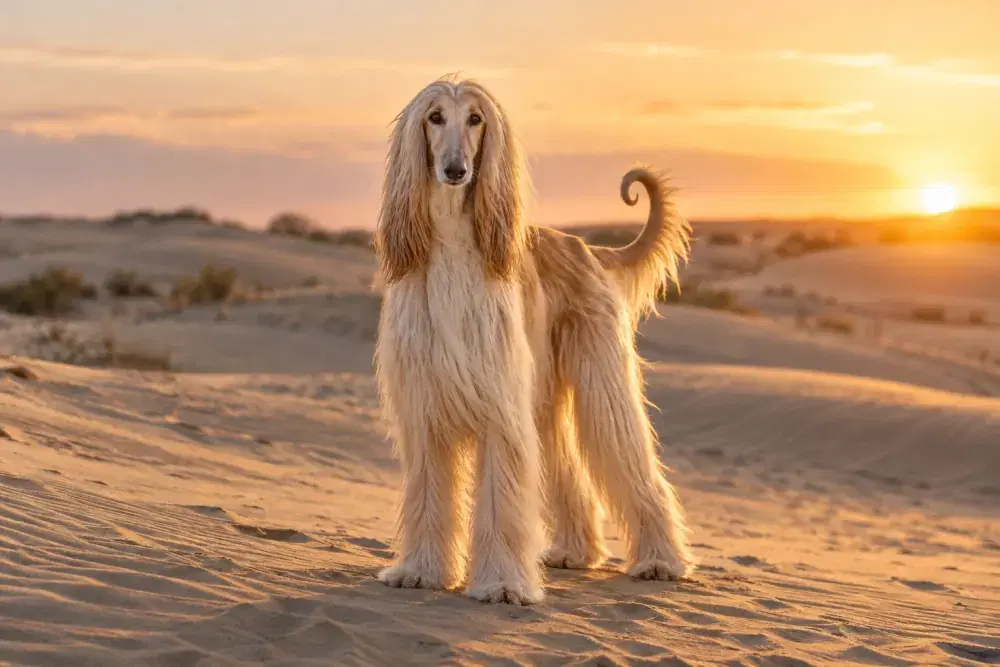 Hound
Afghan Hound
An aloof mountain sighthound in a flowing silk coat
- Size
- Large
- Exercise
- 90 min/day
- Lifespan
- 12-14 years
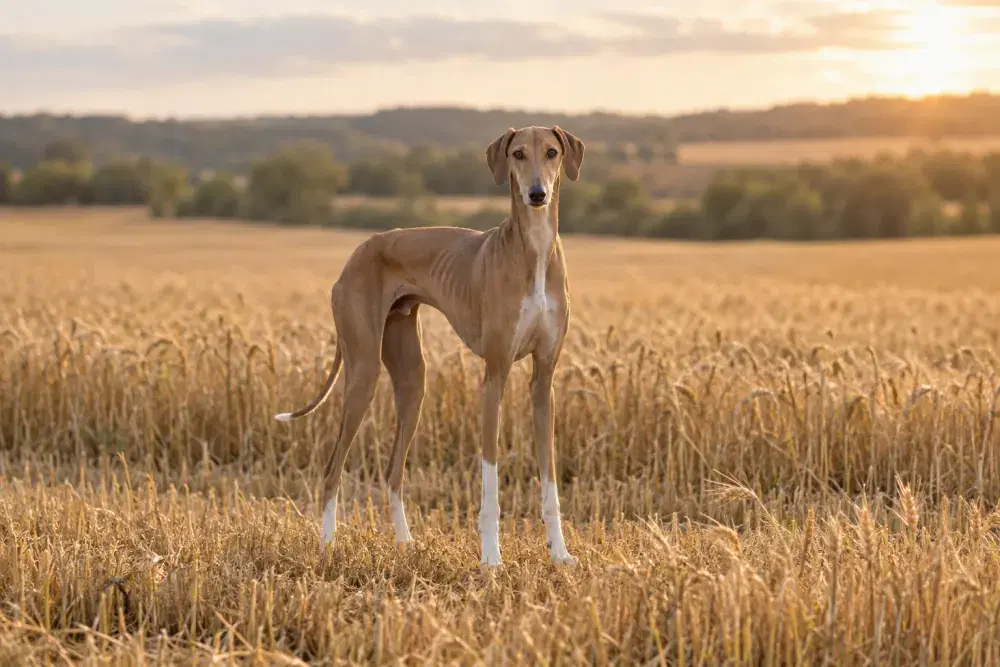 Hound
Azawakh
A lean Saharan sprinter with a loyal, watchful heart
- Size
- Medium
- Exercise
- 90 min/day
- Lifespan
- 12-15 years
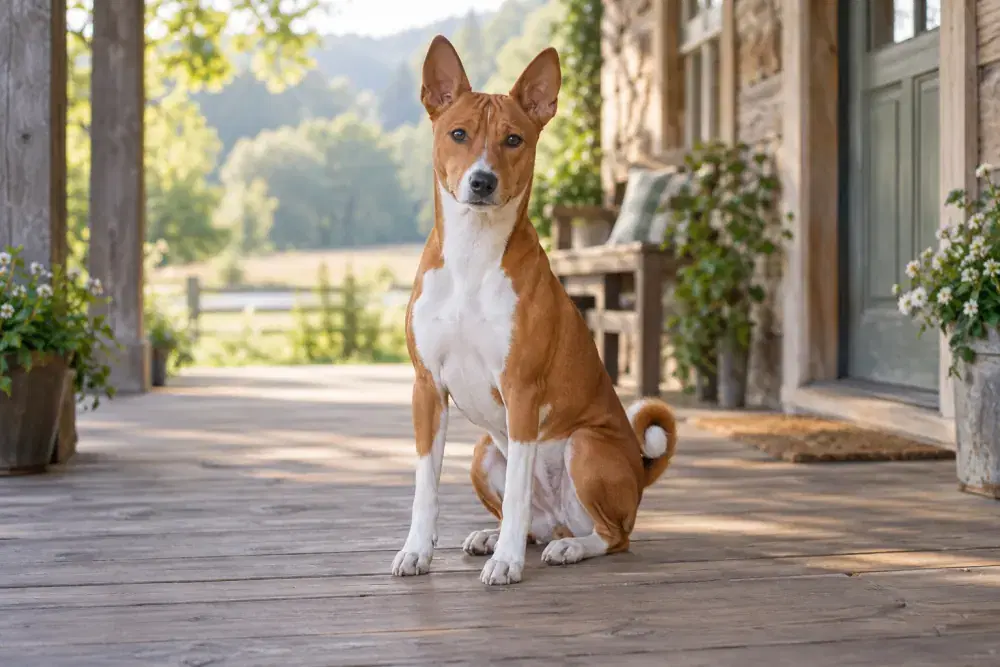 Hound
Basenji
A clever, cat-like hound that yodels instead of barking
- Size
- Medium
- Exercise
- 75 min/day
- Lifespan
- 13-14 years