
Turkish Vankedisi
A pure white, semi-longhaired cat from eastern Turkey
The Vankedisi is the all-white type related to the Turkish Van, with a soft semi-long coat and a sturdy, elegant body. It is intelligent and lively, likes company, and needs steady play and simple coat care.
Last updated
- Intelligent
- Lively
- Sociable
- Curious
How the Turkish Vankedisi fits your home
- ChildrenUsually a good match
- DogsUsually a good match
- Other catsUsually a good match
- Apartment livingUsually a good match
Caring for a Turkish Vankedisi
- Provide climbing, chase games and puzzle toys; this is an active cat that gets restless if under-stimulated
- The soft coat with little undercoat needs a weekly brush, more often while shedding in spring
- White cats can be sensitive to sun, and some blue-eyed or odd-eyed white cats are deaf, so indoor life or a secure enclosure is safest
Notes for cat sitters
- Make time for an energetic play session at every visit and rotate toys to keep interest up
- Wipe away tear marks gently with a damp cloth if the owner has advised it
- Check that windows and doors are closed, as a bright white cat is easy to lose sight of outdoors
A care plan for your Turkish Vankedisi
This breed enjoys about 45 minutes of play a day. Around 2 sitter visits a day keeps that routine going, along with fresh food, water and a clean litter tray, when work or travel gets in the way.
45
Minutes of play a day
2
Suggested visits a day
Cat sitting
Best-matched service
Common questions about the Turkish Vankedisi
What is the difference between a Vankedisi and a Turkish Van?+
The Vankedisi is entirely white, while the Van has coloured markings on the head and tail. Both come from the same region, and recognition of them as one breed or two varies.
Does a Vankedisi shed a lot?+
It sheds moderately, with a heavier moult in spring. White hair shows on dark furniture, so regular brushing helps.
Is the Vankedisi rare?+
Yes, outside Turkey it is uncommon, so it is worth asking breeders about health checks and lineage.
Similar breeds to explore
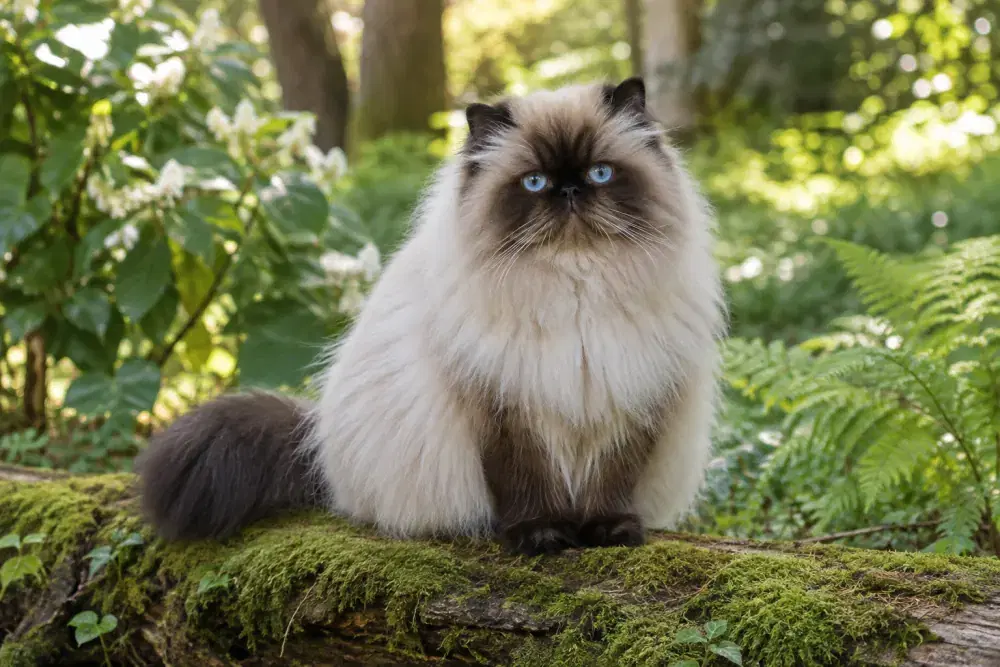 Long coat
Himalayan
A blue-eyed, long-haired lap cat that needs daily grooming
- Size
- Medium
- Daily play
- 20 min/day
- Lifespan
- 10-15 years
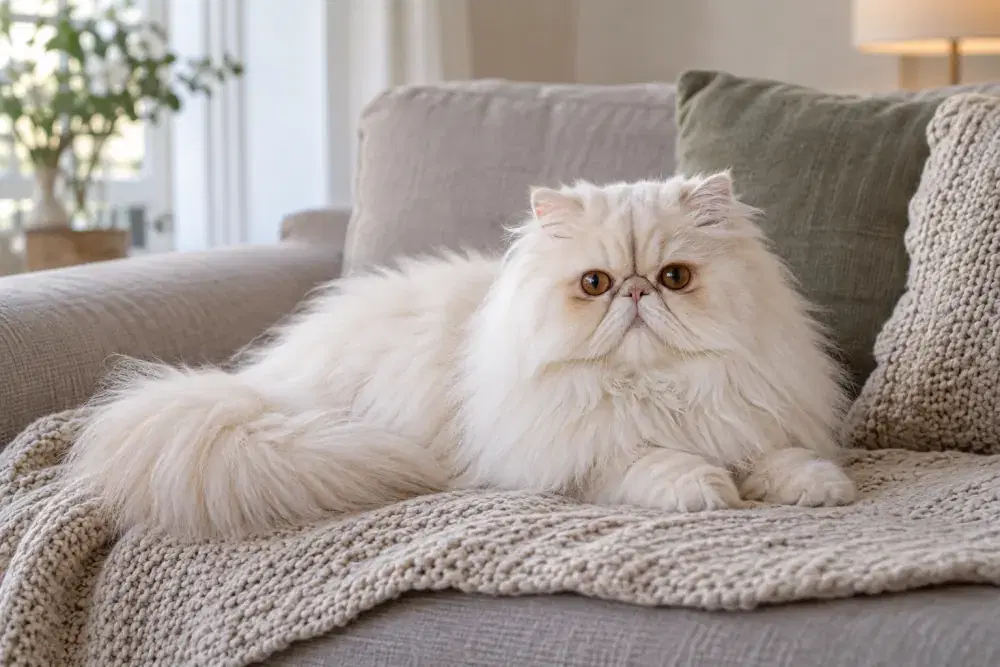 Long coat
Persian
A calm, sweet-natured lap cat with a very full coat
- Size
- Medium
- Daily play
- 20 min/day
- Lifespan
- 12-16 years
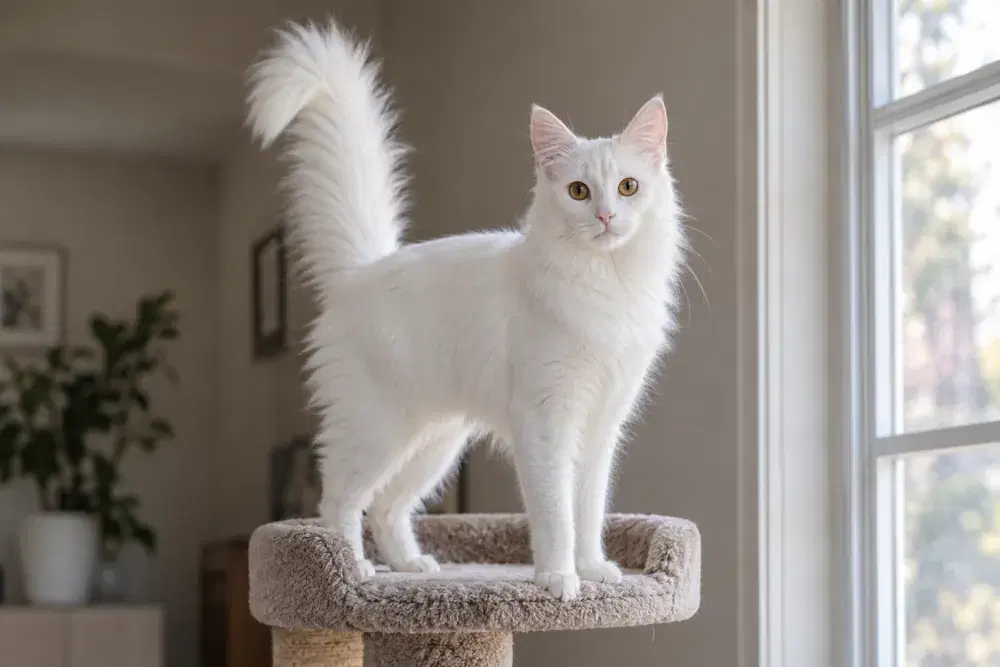 Long coat
Turkish Angora
An elegant, silky-coated athlete with a mind of its own
- Size
- Small
- Daily play
- 45 min/day
- Lifespan
- 12-18 years