
Russian Black Terrier
Also known as Black Russian Terrier, BRT
A bearded black guardian, confident and fiercely loyal
Developed in the Soviet Union as a robust service and guard dog, the Russian Black Terrier is intelligent, confident and devoted to its people. It needs firm, experienced handling, early socialisation and a lot of coat care.
Last updated
- Confident
- Loyal
- Protective
- Intelligent
How the Russian Black Terrier fits your home
- ChildrenUsually a good match
- Other dogsNeeds extra care
- CatsNeeds extra care
- Apartment livingNeeds extra care
Caring for a Russian Black Terrier
- About 90 minutes of daily activity, with training tasks alongside walks to keep the mind engaged
- Brush several times a week and expect professional trimming every couple of months
- Keep the beard and paws clean and dry, and feed smaller meals as the chest is deep
Notes for sitters
- Meet the dog with the owner first - it is reserved with strangers and needs calm introductions
- Use a strong, secure lead and avoid off-lead meetings with unfamiliar dogs
- Wipe the beard after drinking and eating, and dry the coat after wet walks to avoid matting
A care plan for your Russian Black Terrier
This breed needs about 90 minutes of activity a day. Around 5 sitter-led sessions a week keeps that routine going when work or travel gets in the way.
90
Minutes of activity a day
5
Suggested sessions a week
Dog walking
Best-matched service
Common questions about the Russian Black Terrier
Does a Russian Black Terrier shed?+
Very little, as the dense double coat holds loose hair inside. In return it mats easily and needs regular brushing and trimming.
Is a Russian Black Terrier a good first dog?+
Usually not. It is large, strong-willed and protective, so it suits owners who can offer early socialisation, experienced training and a steady routine.
Are Russian Black Terriers good with children?+
They can be devoted to the family's own children, but size and guarding instincts mean play should be supervised and visiting children handled carefully.
Similar breeds to explore
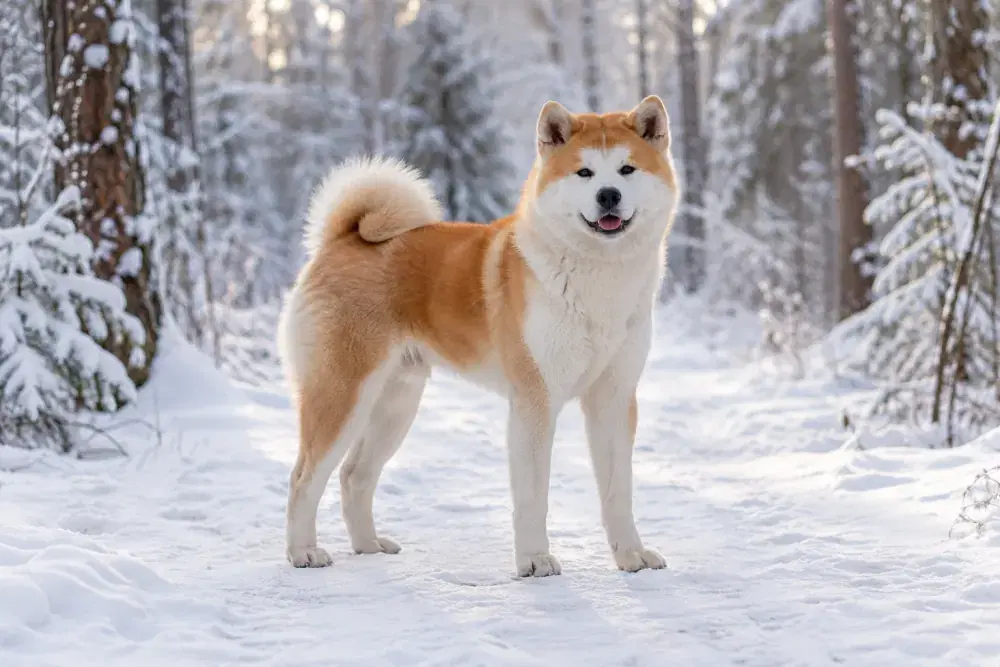 Working
Akita
Dignified, loyal and quietly powerful - a one-family guardian
- Size
- Large
- Exercise
- 75 min/day
- Lifespan
- 10-13 years
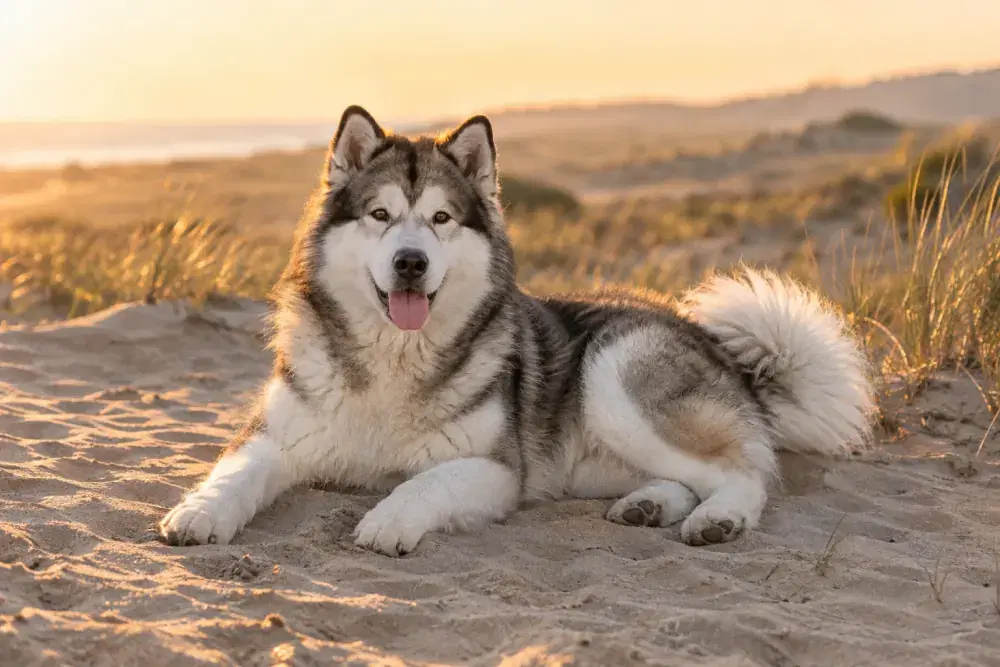 Working
Alaskan Malamute
Arctic strength with a friendly face and a stubborn streak
- Size
- Large
- Exercise
- 120 min/day
- Lifespan
- 10-14 years
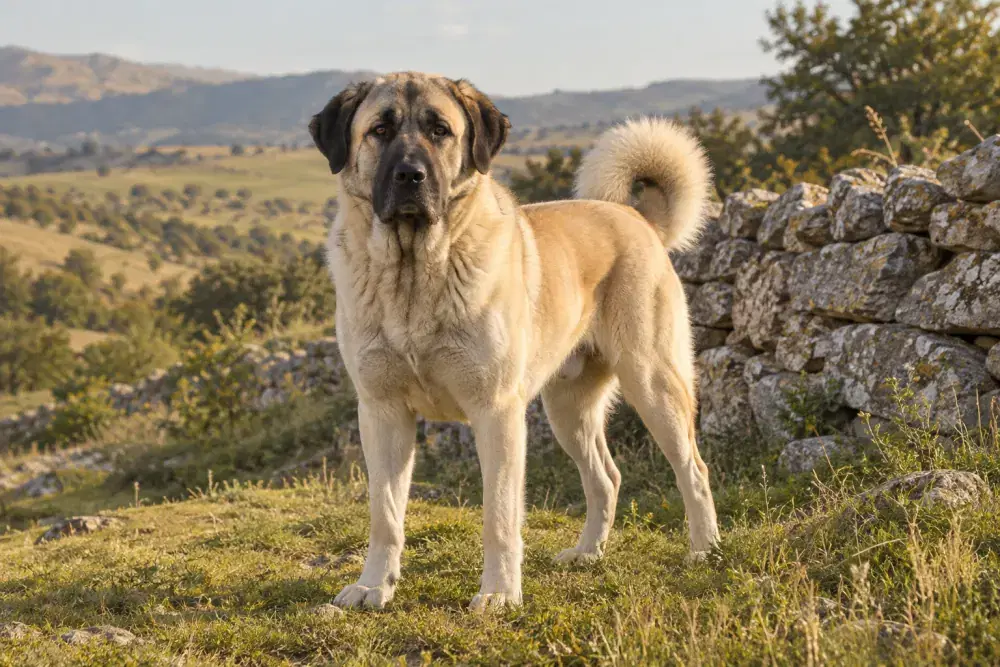 Working
Anatolian Shepherd Dog
A calm, powerful guardian that thinks for itself
- Size
- Large
- Exercise
- 60 min/day
- Lifespan
- 11-13 years