
Rottweiler
Also known as Rottie
A powerful, loyal guardian that thrives on clear leadership
Originally a German cattle driver and butcher's dog, the Rottweiler is strong, confident and devoted to its family. It is naturally protective and needs early socialisation and calm, consistent training. Daily exercise and a job to do keep it balanced.
Last updated
- Loyal
- Confident
- Protective
- Calm
How the Rottweiler fits your home
- ChildrenUsually a good match
- Other dogsNeeds extra care
- CatsNeeds extra care
- Apartment livingNeeds extra care
Caring for a Rottweiler
- About 90 minutes of exercise a day, mixing walks, training and mentally engaging tasks
- A weekly brush is enough for the short coat, with extra during spring and autumn shedding
- Large, heavy dogs are prone to joint problems and bloat - keep weight lean and avoid hard exercise around mealtimes
Notes for sitters
- Meet the dog with the owner present first, and let it approach on its own terms
- Keep it on a secure, short lead and be aware of strangers and other dogs; control matters with a dog this strong
- Give calm, clear direction and avoid rough games - a well-mannered Rottweiler responds to steady leadership
A care plan for your Rottweiler
This breed needs about 90 minutes of activity a day. Around 5 sitter-led sessions a week keeps that routine going when work or travel gets in the way.
90
Minutes of activity a day
5
Suggested sessions a week
Dog walking
Best-matched service
Common questions about the Rottweiler
Are Rottweilers good family dogs?+
With proper socialisation and training they are loyal and gentle with their own family, including children. Their size means play should always be supervised.
How much exercise does a Rottweiler need?+
About 90 minutes a day of walking, training and play. They also need mental tasks such as obedience work or scent games.
Are Rottweilers good for first-time owners?+
They can be, but only with a committed owner willing to invest in early socialisation and consistent training. Their strength makes good manners essential.
Similar breeds to explore
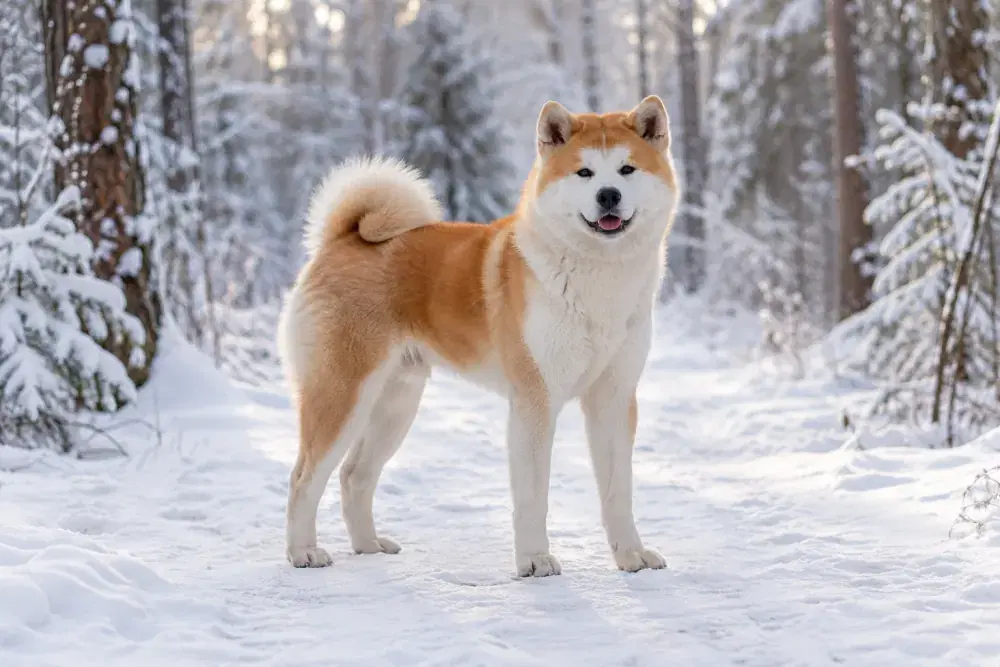 Working
Akita
Dignified, loyal and quietly powerful - a one-family guardian
- Size
- Large
- Exercise
- 75 min/day
- Lifespan
- 10-13 years
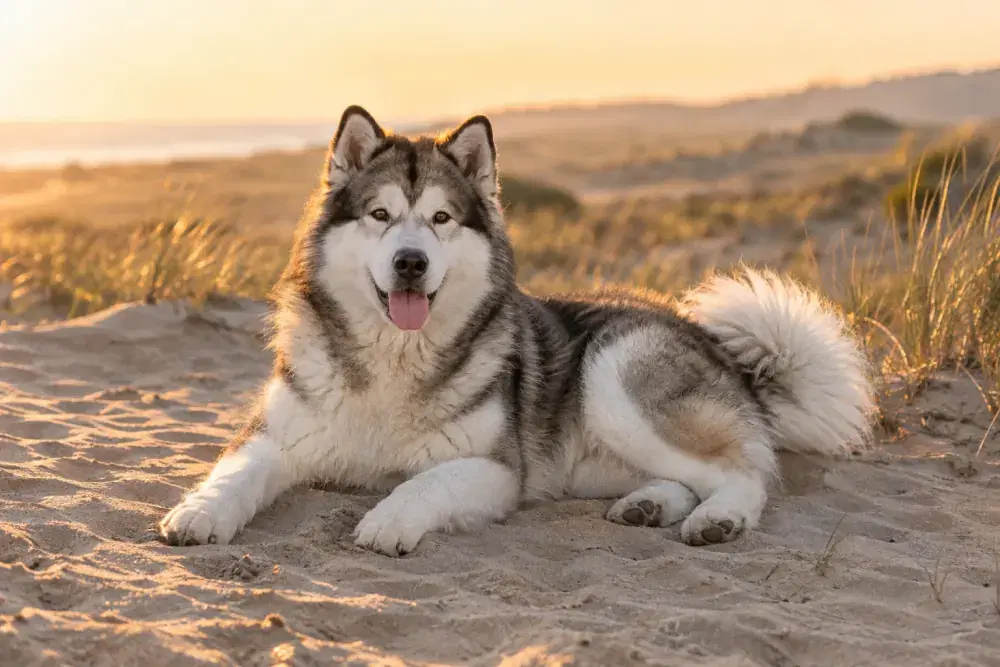 Working
Alaskan Malamute
Arctic strength with a friendly face and a stubborn streak
- Size
- Large
- Exercise
- 120 min/day
- Lifespan
- 10-14 years
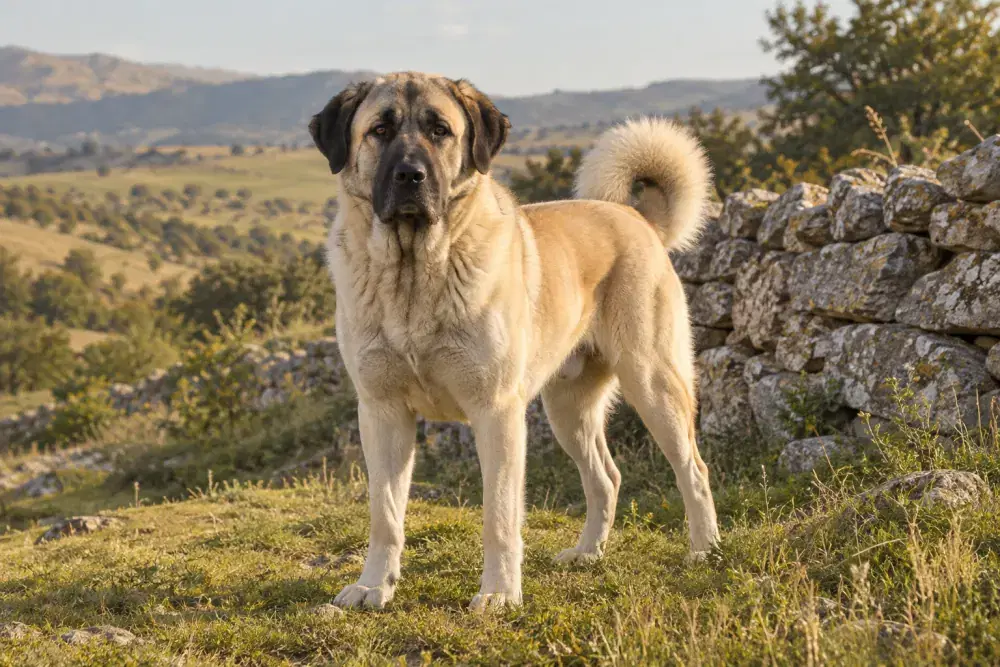 Working
Anatolian Shepherd Dog
A calm, powerful guardian that thinks for itself
- Size
- Large
- Exercise
- 60 min/day
- Lifespan
- 11-13 years