Pyrenean Mountain Dog
Also known as Great Pyrenees
A gentle white giant who guards his flock and family
Bred to guard sheep on cold mountainsides, the Pyrenean Mountain Dog is calm, patient and fiercely protective. It thinks for itself, patrols at night and barks to warn. The thick white coat sheds heavily and needs regular brushing.
Last updated
- Gentle
- Protective
- Independent
- Patient
How the Pyrenean Mountain Dog fits your home
- ChildrenUsually a good match
- Other dogsUsually a good match
- CatsUsually a good match
- Apartment livingNeeds extra care
Caring for a Pyrenean Mountain Dog
- About an hour of steady walking a day, with a securely fenced garden if possible
- Brush the double coat several times a week and daily during heavy moults
- Deep-chested giants can suffer bloat and joint problems - feed small meals and avoid hard exercise around mealtimes
Notes for sitters
- Keep the dog on a lead or in a secure garden - guardians patrol and wander to widen their territory
- Expect night-time barking; it is instinct, not a sign of distress
- Strangers approaching the home may be met with suspicion - meet and greet with the owner present first
A care plan for your Pyrenean Mountain Dog
This breed needs about 60 minutes of activity a day. Around 3 sitter-led sessions a week keeps that routine going when work or travel gets in the way.
60
Minutes of activity a day
3
Suggested sessions a week
Home visits
Best-matched service
Common questions about the Pyrenean Mountain Dog
Do Pyrenean Mountain Dogs bark a lot?+
Yes, especially at night. They bark to warn of anything unusual, so this breed suits homes with tolerant neighbours.
Can a Pyrenean Mountain Dog live in an apartment?+
It is not ideal. Their size, night-time barking and need for space to patrol make a house with a secure garden a better fit.
Are Pyrenean Mountain Dogs easy to train?+
They are intelligent but independent and were bred to make their own decisions. Patient, calm, reward-based training starting early works best.
Similar breeds to explore
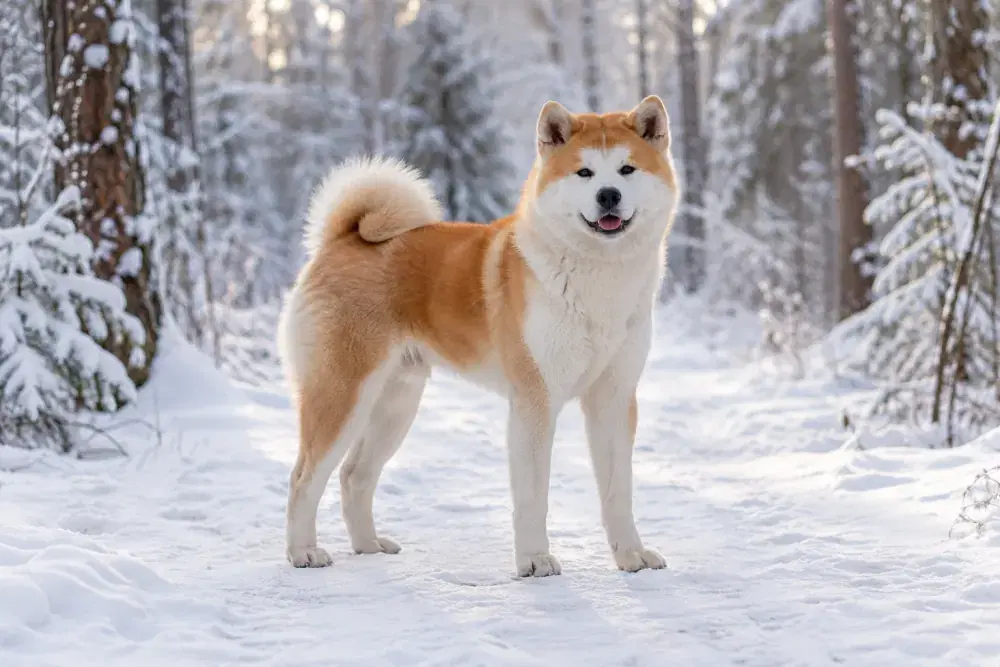 Working
Akita
Dignified, loyal and quietly powerful - a one-family guardian
- Size
- Large
- Exercise
- 75 min/day
- Lifespan
- 10-13 years
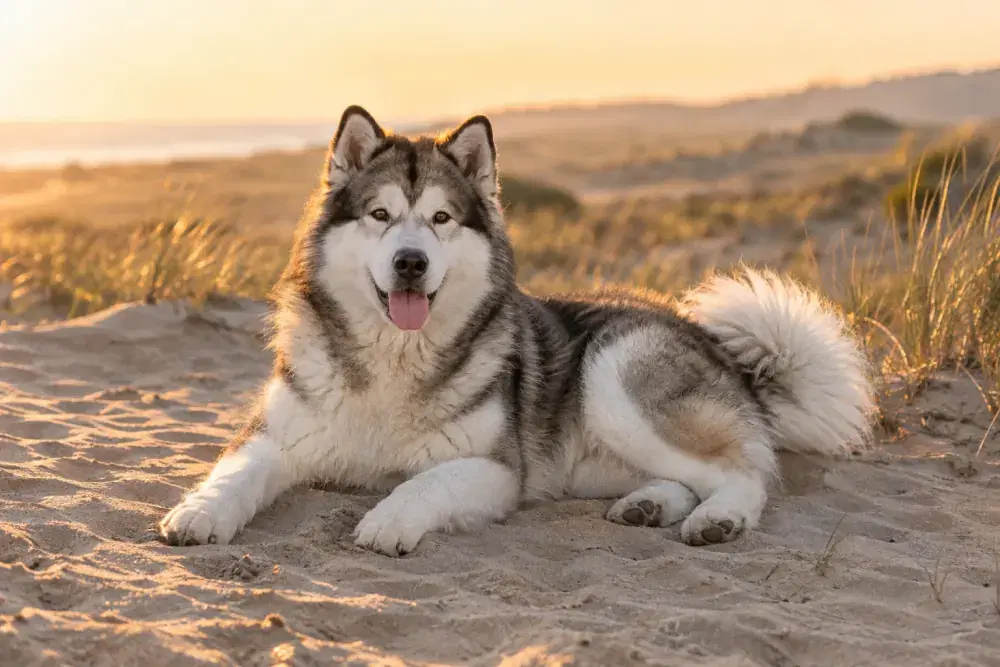 Working
Alaskan Malamute
Arctic strength with a friendly face and a stubborn streak
- Size
- Large
- Exercise
- 120 min/day
- Lifespan
- 10-14 years
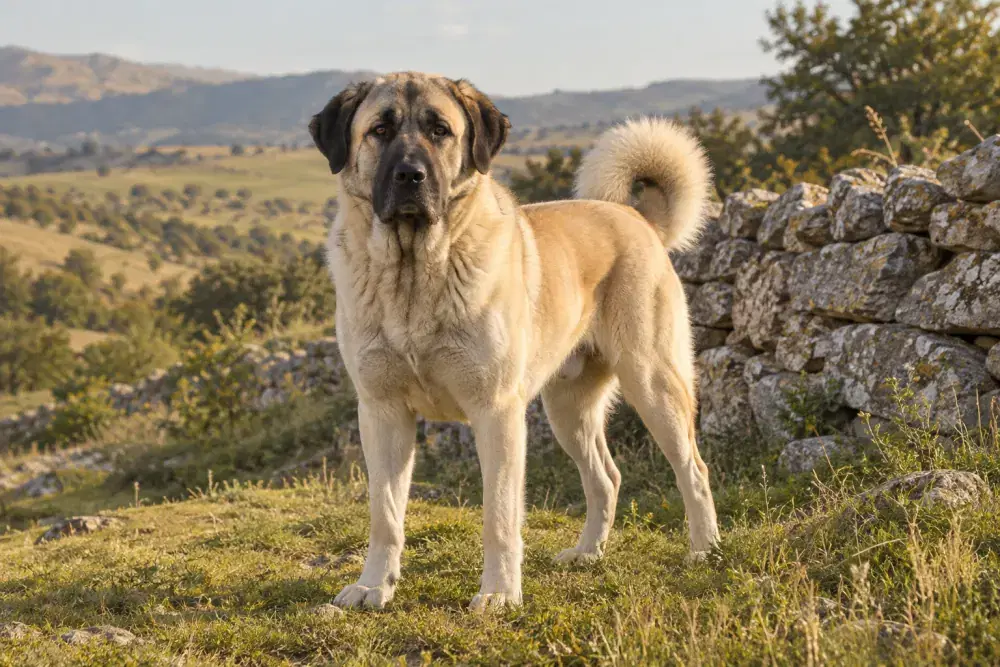 Working
Anatolian Shepherd Dog
A calm, powerful guardian that thinks for itself
- Size
- Large
- Exercise
- 60 min/day
- Lifespan
- 11-13 years