
Portuguese Water Dog
Also known as Porty, PWD, Cao de Agua
A curly-coated swimmer that loves a job and a splash
Bred to work alongside Portuguese fishermen, the Portuguese Water Dog is athletic, intelligent and strongly people-focused. It thrives on swimming and training, and its curly, low-shedding coat needs regular clipping and brushing.
Last updated
- Energetic
- Intelligent
- Affectionate
- Adventurous
How the Portuguese Water Dog fits your home
- ChildrenUsually a good match
- Other dogsUsually a good match
- CatsUsually a good match
- Apartment livingNeeds extra care
Caring for a Portuguese Water Dog
- About 90 minutes of daily activity, and swimming is the ideal outlet
- Brush several times a week and expect professional clipping every couple of months
- Coat traps moisture, so dry the ears after swimming and check them regularly for infection
Notes for sitters
- Offer water play and fetch, but rinse and dry the coat and ears afterwards
- Keep the dog busy with training games, as boredom leads to chewing and digging
- Watch for pulling and jumping in the early years - it is bouncy, so steady lead handling helps
A care plan for your Portuguese Water Dog
This breed needs about 90 minutes of activity a day. Around 5 sitter-led sessions a week keeps that routine going when work or travel gets in the way.
90
Minutes of activity a day
5
Suggested sessions a week
Dog walking
Best-matched service
Common questions about the Portuguese Water Dog
Do Portuguese Water Dogs shed?+
Very little. The curly coat holds loose hair inside, which is why the breed is often chosen by people who want less shedding, though it needs regular brushing and clipping.
How much exercise does a Portuguese Water Dog need?+
Around 90 minutes a day, ideally including swimming, running and training games. It is an active working breed and easily gets bored.
Are Portuguese Water Dogs good with children?+
Yes, they are usually friendly and playful. Their bouncy energy can overwhelm small children, so supervise play and teach calm greetings early.
Similar breeds to explore
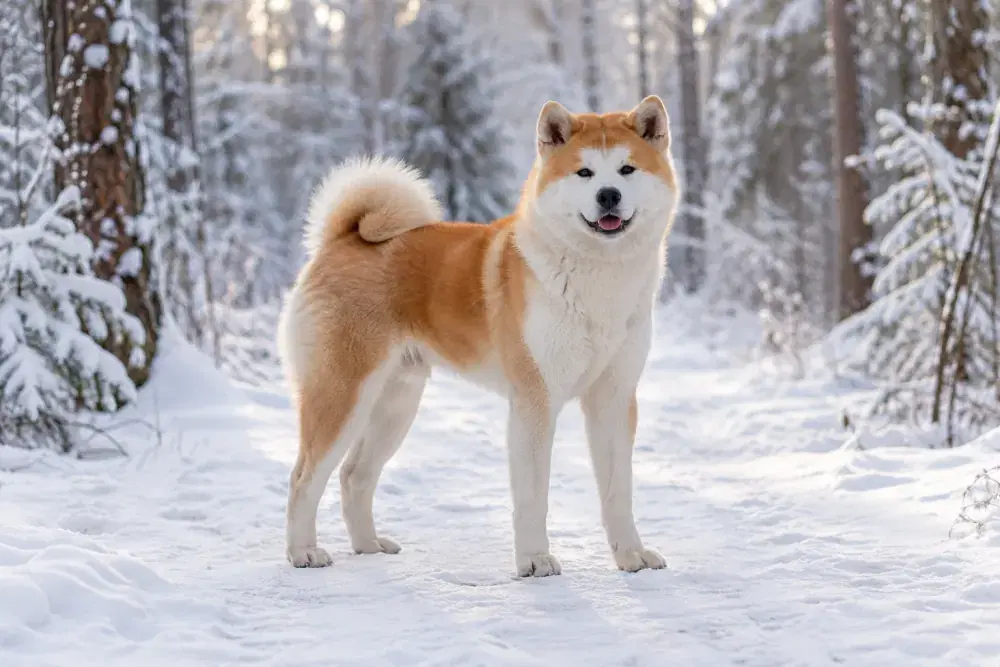 Working
Akita
Dignified, loyal and quietly powerful - a one-family guardian
- Size
- Large
- Exercise
- 75 min/day
- Lifespan
- 10-13 years
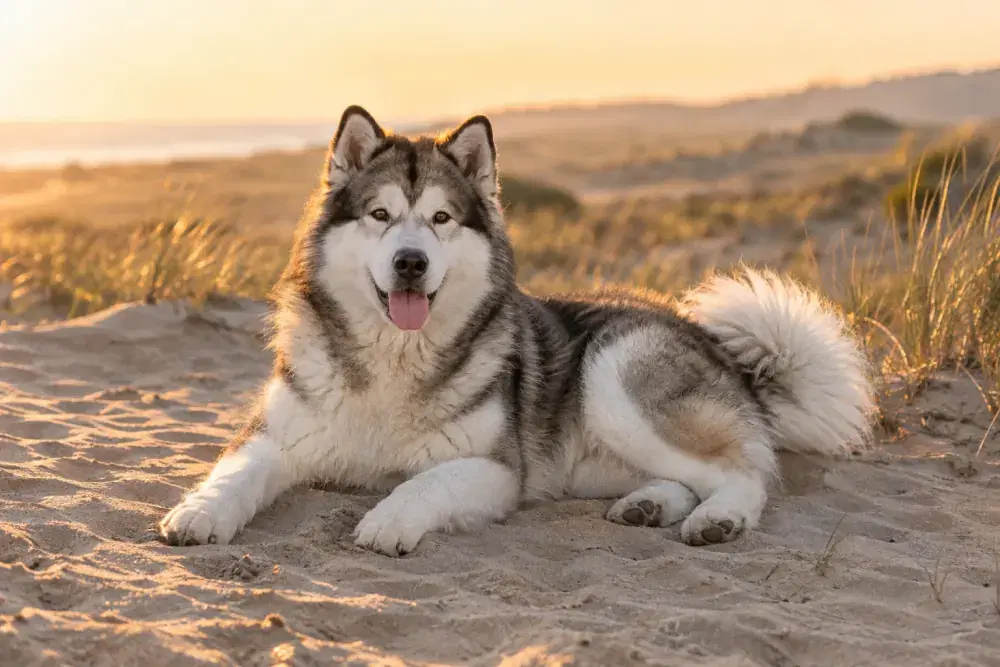 Working
Alaskan Malamute
Arctic strength with a friendly face and a stubborn streak
- Size
- Large
- Exercise
- 120 min/day
- Lifespan
- 10-14 years
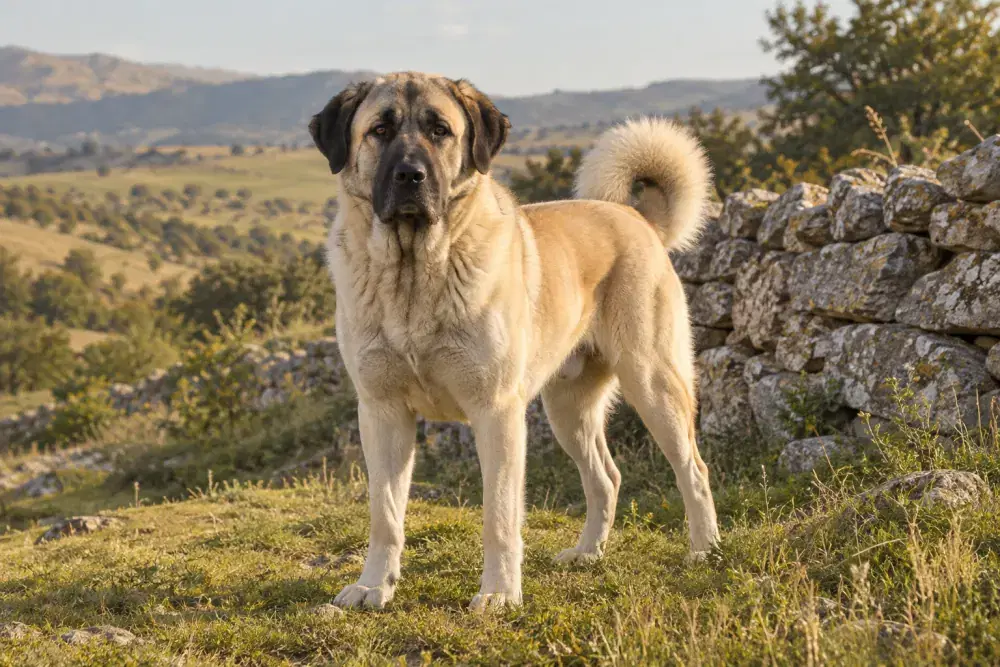 Working
Anatolian Shepherd Dog
A calm, powerful guardian that thinks for itself
- Size
- Large
- Exercise
- 60 min/day
- Lifespan
- 11-13 years