Pembroke Welsh Corgi
Also known as Corgi
A short-legged herder with big confidence and a fluffy rear
Bred in Wales to drive cattle by nipping at their heels, the Pembroke is bright, bold and surprisingly athletic on its short legs. It sheds heavily, tends to gain weight, and needs its long back protected from jumping.
Last updated
- Bold
- Clever
- Outgoing
- Strong-willed
How the Pembroke Welsh Corgi fits your home
- ChildrenUsually a good match
- Other dogsUsually a good match
- CatsUsually a good match
- Apartment livingUsually a good match
Caring for a Pembroke Welsh Corgi
- An hour of walks and games a day, with plenty of mental stimulation
- Brush several times a week; the dense double coat sheds all year and heavily twice a year
- Keep weight in check and limit jumping to protect the back and joints
Notes for sitters
- Herding instincts mean nipping at heels of children or joggers - redirect calmly with a toy
- Portion treats carefully; Corgis are food-motivated and gain weight fast
- Lift the dog on and off high furniture rather than letting it jump
A care plan for your Pembroke Welsh Corgi
This breed needs about 60 minutes of activity a day. Around 3 sitter-led sessions a week keeps that routine going when work or travel gets in the way.
60
Minutes of activity a day
3
Suggested sessions a week
Day care
Best-matched service
Common questions about the Pembroke Welsh Corgi
Do Pembroke Welsh Corgis shed a lot?+
Yes, a great deal, all year round. Regular brushing and a good vacuum are part of life with a Corgi.
Do Corgis bark a lot?+
They are quite vocal and use their voice to alert and to herd. Early training and enough activity keep it under control.
Are Corgis good with children?+
Generally yes, but they may try to herd running children by nipping at their heels. Teach both dog and child calm interaction.
Similar breeds to explore
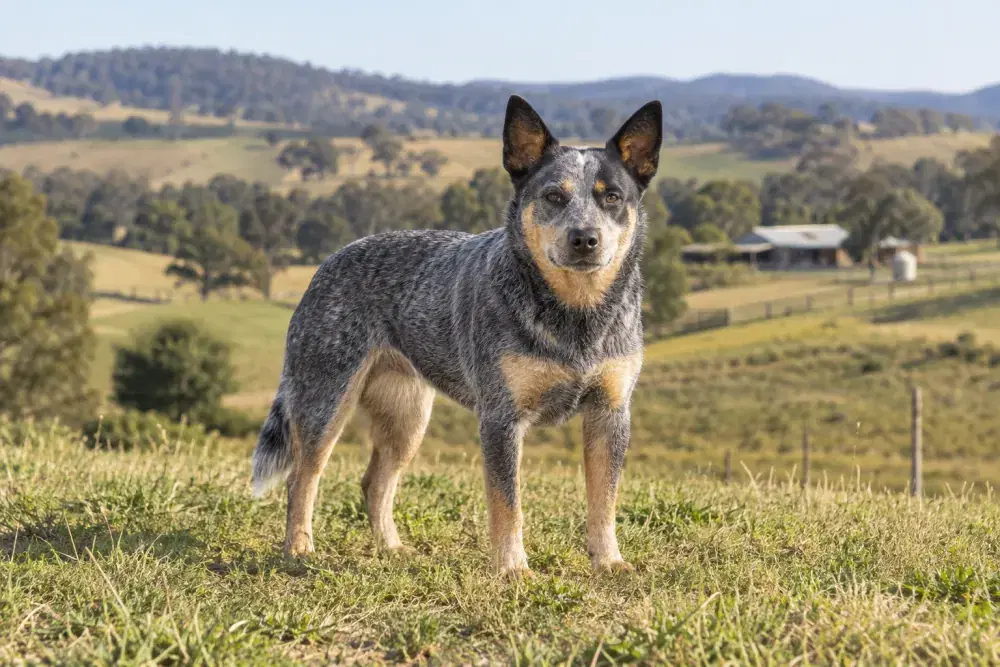 Herding
Australian Cattle Dog
A tireless, tough herder that needs a real job to do
- Size
- Medium
- Exercise
- 120 min/day
- Lifespan
- 12-15 years
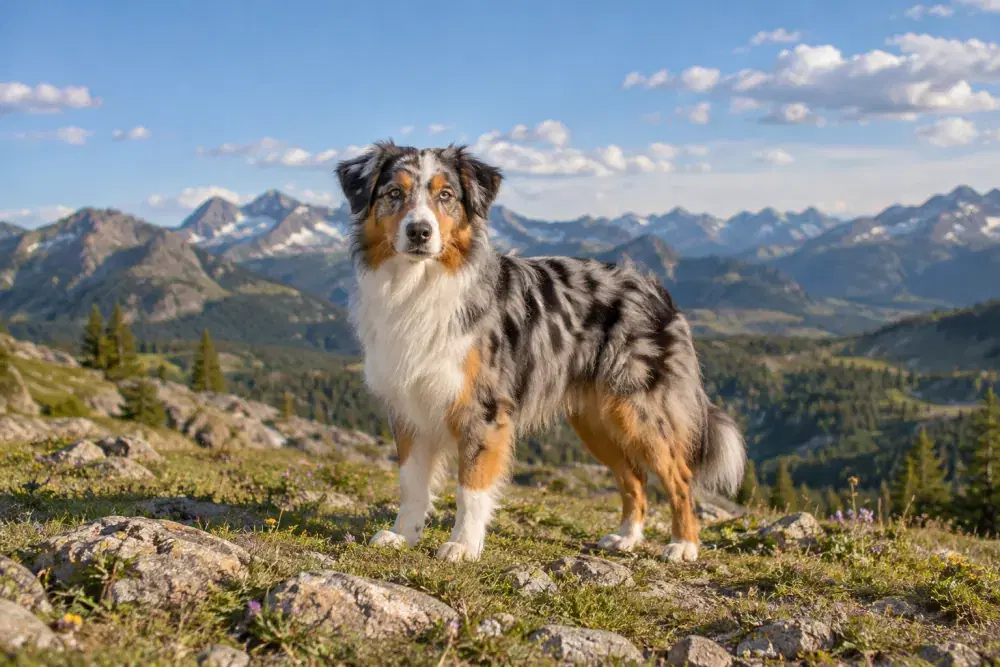 Herding
Australian Shepherd
A tireless thinker that needs a job as much as a walk
- Size
- Medium
- Exercise
- 120 min/day
- Lifespan
- 12-15 years
 Herding
Bearded Collie
A bouncing, shaggy herder with boundless good humour
- Size
- Medium
- Exercise
- 90 min/day
- Lifespan
- 12-14 years