
Labrador Retriever
Also known as Labrador, Lab
Sweden's steady all-rounder, food-motivated and endlessly willing
The Labrador is friendly, trainable, and remarkably tolerant, which is why it remains one of the most popular family dogs. Its appetite is the main risk factor: weight gain is the single most common health issue in the breed.
Last updated
- Good-natured
- Outgoing
- Trainable
- Food-loving
How the Labrador Retriever fits your home
- ChildrenUsually a good match
- Other dogsUsually a good match
- CatsUsually a good match
- Apartment livingNeeds extra care
Caring for a Labrador Retriever
- About 90 minutes of daily activity, with swimming and retrieving ideal
- Measure meals carefully and count treats within the daily ration
- Brush weekly, more often during the two seasonal moults
Notes for sitters
- Keep food and bins out of reach - Labradors counter-surf and swallow quickly
- Use part of the daily food ration for training instead of extra treats
- Fetch in water or on grass is the fastest way to a settled Lab
A care plan for your Labrador Retriever
This breed needs about 90 minutes of activity a day. Around 5 sitter-led sessions a week keeps that routine going when work or travel gets in the way.
90
Minutes of activity a day
5
Suggested sessions a week
Dog walking
Best-matched service
Common questions about the Labrador Retriever
How much exercise does a Labrador need?+
Around 90 minutes a day for an adult, ideally split into two sessions with some retrieving or swimming rather than only lead walking.
Why do Labradors gain weight so easily?+
Many Labradors carry a genetic variant linked to increased appetite. Measured meals, counted treats, and daily exercise are the practical answer.
Is a Labrador a good first dog?+
Yes. The breed is forgiving, sociable, and easy to train, though the first two years are boisterous and need consistent handling.
Similar breeds to explore
 Sporting
American Cocker Spaniel
A merry, silky-coated companion that lives for company
- Size
- Small
- Exercise
- 60 min/day
- Lifespan
- 12-15 years
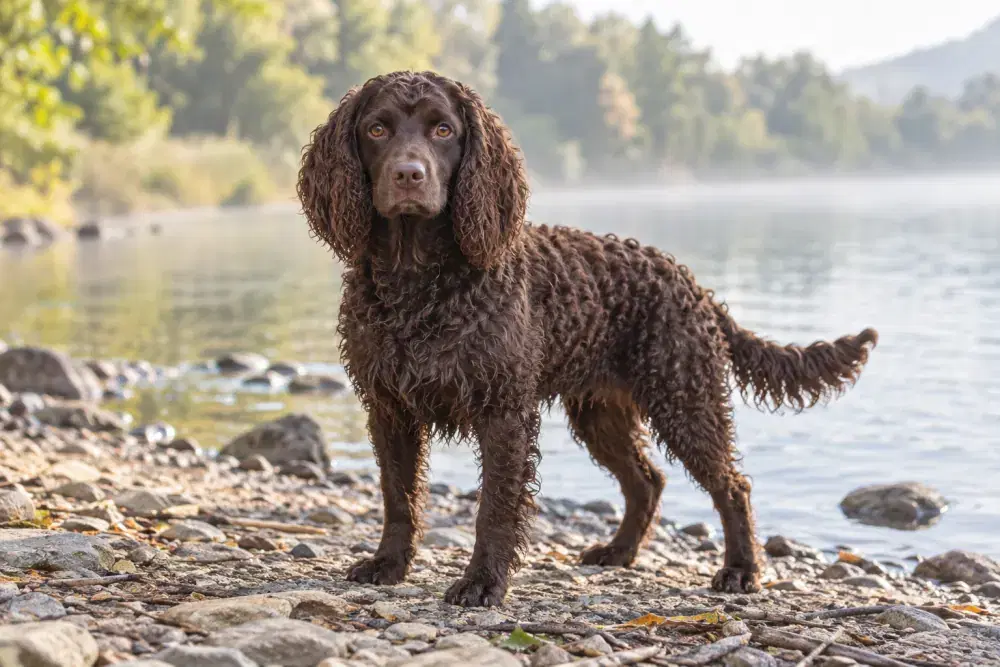 Sporting
American Water Spaniel
A curly-coated water retriever that loves a swim and a job
- Size
- Medium
- Exercise
- 90 min/day
- Lifespan
- 10-14 years
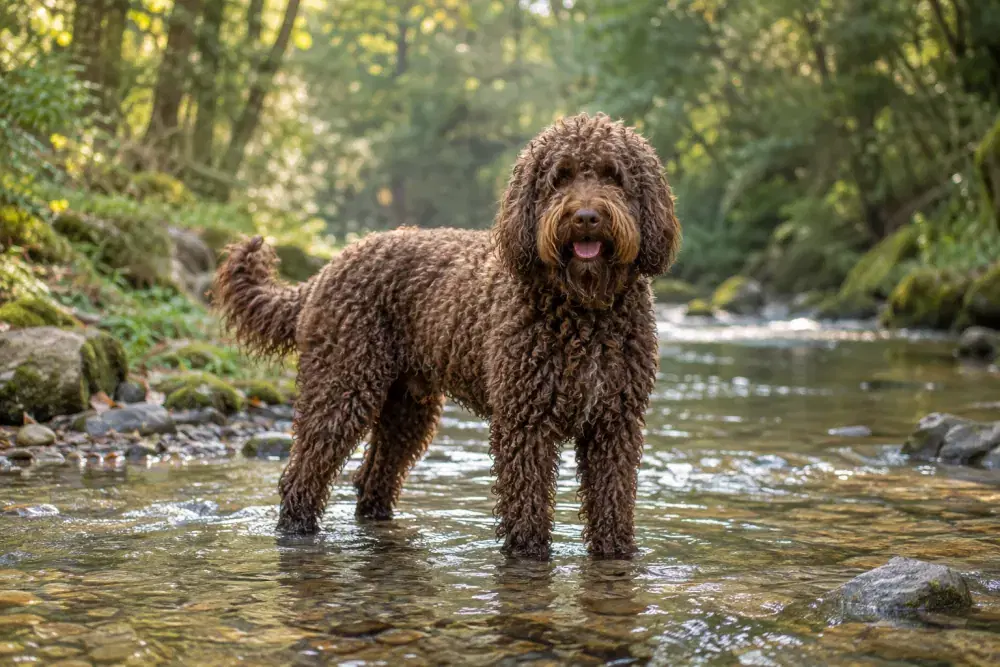 Sporting
Barbet
A shaggy French water dog that never says no to a swim
- Size
- Medium
- Exercise
- 90 min/day
- Lifespan
- 13-15 years