
Kooikerhondje
Also known as Dutch decoy dog, Kooiker
A nimble Dutch duck-lure dog with a sensitive heart
The Kooikerhondje was bred in the Netherlands to lure ducks into decoy traps with its bobbing white plume of a tail. It is agile, clever and devoted to its family, and can be reserved with strangers and sensitive to harsh handling.
Last updated
- Alert
- Agile
- Sensitive
- Devoted
How the Kooikerhondje fits your home
- ChildrenUsually a good match
- Other dogsUsually a good match
- CatsUsually a good match
- Apartment livingUsually a good match
Caring for a Kooikerhondje
- Around 75 minutes of active play, walks and mental work a day suits this breed
- Brush the feathered ears, chest and tail a couple of times a week to prevent mats
- Keep well away from ponds and water edges unsupervised - the breed has strong instincts to chase waterfowl
Notes for sitters
- Use a secure lead near water and flocks of birds - the chase instinct kicks in fast
- Be calm and gentle, as the breed can shut down under raised voices
- Let a shy dog approach you at its own pace rather than reaching over its head
A care plan for your Kooikerhondje
This breed needs about 75 minutes of activity a day. Around 5 sitter-led sessions a week keeps that routine going when work or travel gets in the way.
75
Minutes of activity a day
5
Suggested sessions a week
Home visits
Best-matched service
Common questions about the Kooikerhondje
Is a Kooikerhondje good for first-time owners?+
It can be, if the owner is patient and active. The breed is clever and eager to please but sensitive, so gentle reward-based training and early socialisation matter.
Do Kooikerhondjes bark a lot?+
They are alert and will announce visitors, but they are not constant barkers. Regular exercise and something to do keep barking in check.
How much grooming does a Kooikerhondje need?+
Their silky medium-length coat needs brushing a couple of times a week and more often during seasonal shedding. Check the ear feathering for tangles.
Similar breeds to explore
 Sporting
American Cocker Spaniel
A merry, silky-coated companion that lives for company
- Size
- Small
- Exercise
- 60 min/day
- Lifespan
- 12-15 years
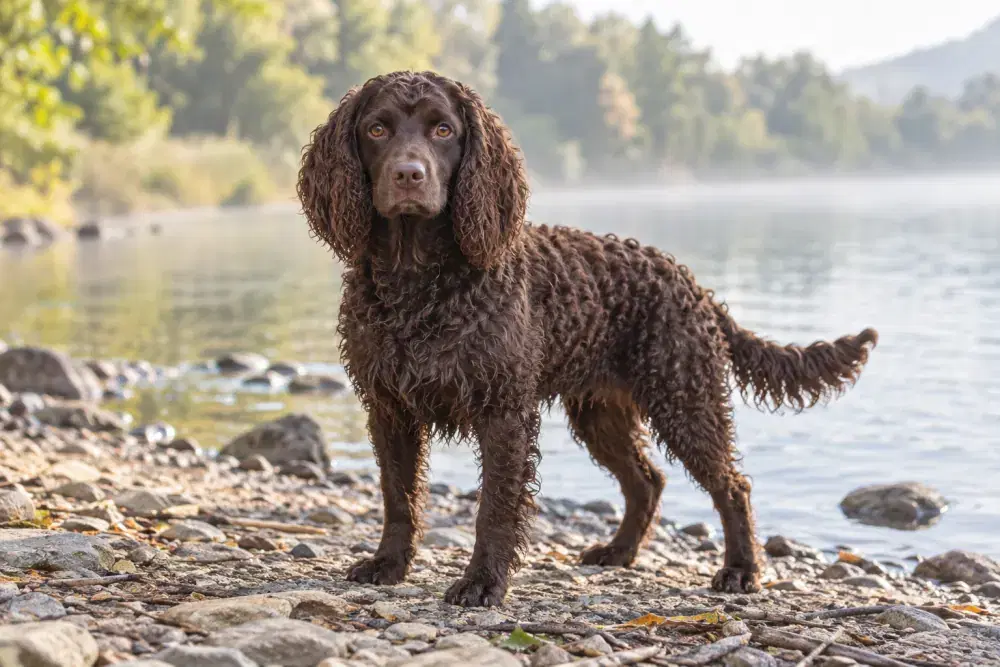 Sporting
American Water Spaniel
A curly-coated water retriever that loves a swim and a job
- Size
- Medium
- Exercise
- 90 min/day
- Lifespan
- 10-14 years
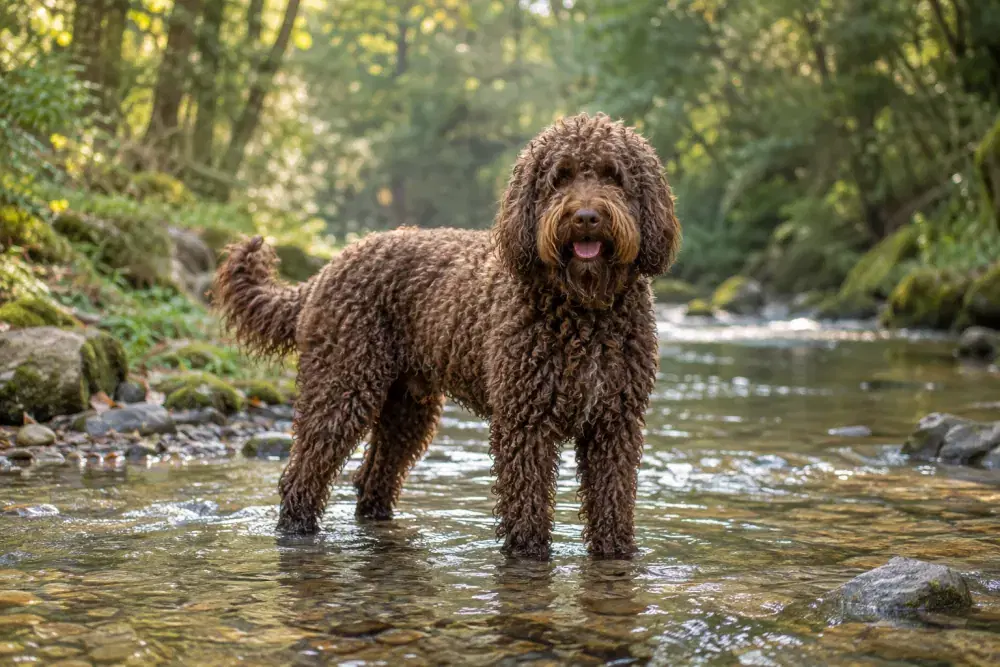 Sporting
Barbet
A shaggy French water dog that never says no to a swim
- Size
- Medium
- Exercise
- 90 min/day
- Lifespan
- 13-15 years