Icelandic Sheepdog
Also known as Iceland Dog, Islandsk Farehund
A cheerful Viking farm dog with a curled tail and a big voice
The Icelandic Sheepdog is a hardy spitz-type herder that came to Iceland with the Vikings. Cheerful, friendly and eager, it loves people and company, but it barks readily and sheds a thick double coat.
Last updated
- Cheerful
- Friendly
- Playful
- Vocal
How the Icelandic Sheepdog fits your home
- ChildrenUsually a good match
- Other dogsUsually a good match
- CatsUsually a good match
- Apartment livingUsually a good match
Caring for a Icelandic Sheepdog
- Around an hour of walks and play a day, with games or training to keep its mind busy
- Brush a few times a week, with daily brushing during the twice-yearly heavy moult
- Barking is a strong trait - teach a quiet cue early and avoid long stretches alone
Notes for sitters
- Warn neighbours if staying over - this breed alerts loudly to sounds and visitors
- Keep the dog cool in warm weather and out of strong midday sun
- Give it company and activity; a lonely or bored Icelandic Sheepdog gets very noisy
A care plan for your Icelandic Sheepdog
This breed needs about 60 minutes of activity a day. Around 3 sitter-led sessions a week keeps that routine going when work or travel gets in the way.
60
Minutes of activity a day
3
Suggested sessions a week
Day care
Best-matched service
Common questions about the Icelandic Sheepdog
Do Icelandic Sheepdogs bark a lot?+
Yes, they were bred to bark to gather and alert on the farm. Training a quiet cue early and providing enough activity keeps it manageable.
Are Icelandic Sheepdogs good with children?+
They are cheerful, playful and generally friendly with children and other pets. Their herding instinct may show as nipping when they get excited, so early guidance helps.
How much do Icelandic Sheepdogs shed?+
A lot. The double coat sheds year round and heavily twice a year, so regular brushing is essential.
Similar breeds to explore
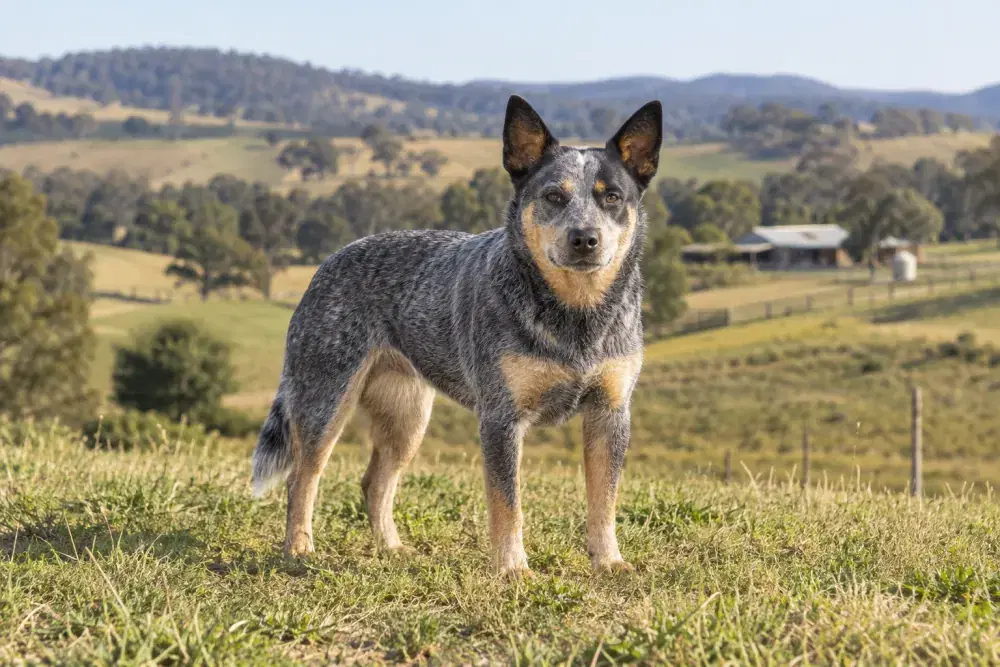 Herding
Australian Cattle Dog
A tireless, tough herder that needs a real job to do
- Size
- Medium
- Exercise
- 120 min/day
- Lifespan
- 12-15 years
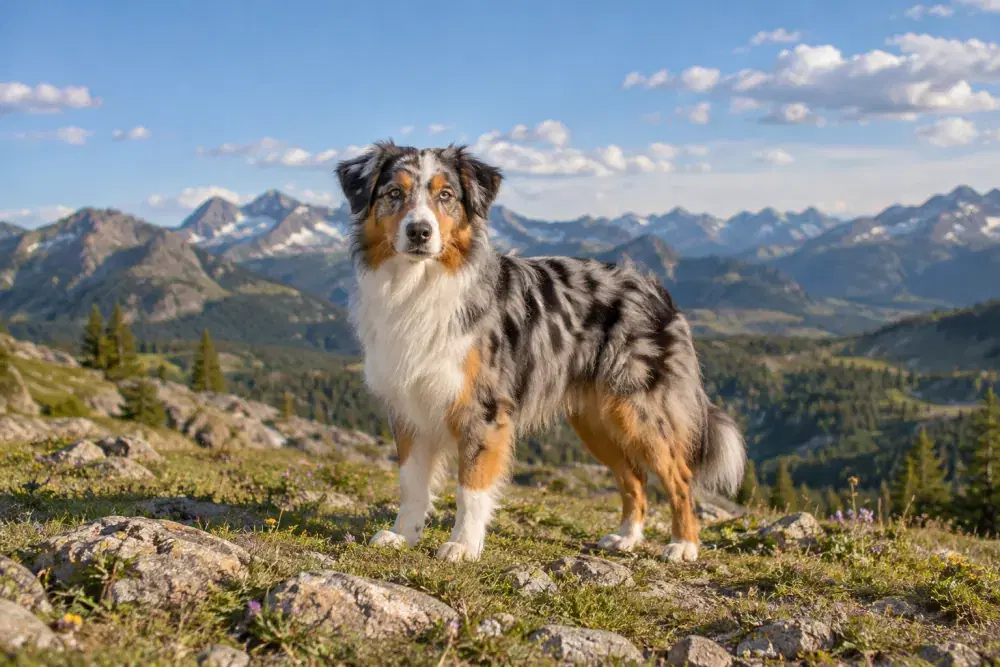 Herding
Australian Shepherd
A tireless thinker that needs a job as much as a walk
- Size
- Medium
- Exercise
- 120 min/day
- Lifespan
- 12-15 years
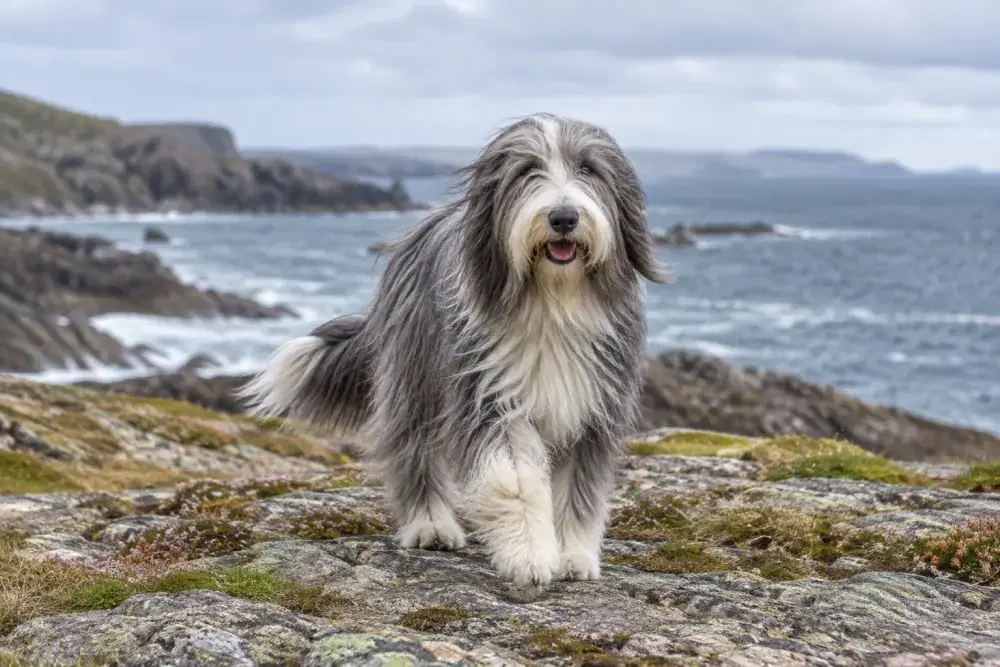 Herding
Bearded Collie
A bouncing, shaggy herder with boundless good humour
- Size
- Medium
- Exercise
- 90 min/day
- Lifespan
- 12-14 years