
Great Dane
Also known as German Mastiff, Deutsche Dogge
A towering gentle giant that thinks it is a lapdog
One of the tallest dog breeds, the Great Dane is calm, affectionate and surprisingly gentle for its size. It needs room, sturdy training from puppyhood and careful attention to joints, feeding and bloat risk.
Last updated
- Gentle
- Affectionate
- Calm
- Patient
How the Great Dane fits your home
- ChildrenUsually a good match
- Other dogsUsually a good match
- CatsUsually a good match
- Apartment livingNeeds extra care
Caring for a Great Dane
- About an hour of moderate exercise a day; avoid hard running and jumping, especially in growing puppies
- The short coat is easy to keep with weekly brushing, but big dogs need a soft, supportive bed for joints and pressure points
- Deep-chested and at high risk of bloat - feed smaller meals and keep the dog calm around meals
Notes for sitters
- Never let the dog exercise hard just before or after eating, and know the signs of bloat and call a vet at once
- Keep food and counters out of reach - at this height a Great Dane can help itself
- Use a strong, well-fitted harness and lead, and teach loose-lead walking, as a pulling giant is hard to hold
A care plan for your Great Dane
This breed needs about 60 minutes of activity a day. Around 3 sitter-led sessions a week keeps that routine going when work or travel gets in the way.
60
Minutes of activity a day
3
Suggested sessions a week
Day care
Best-matched service
Common questions about the Great Dane
How much exercise does a Great Dane need?+
About an hour a day of moderate walking and play. They are often couch potatoes indoors, but puppies should not do hard or repeated jumping and running.
Can a Great Dane live in an apartment?+
It is possible in a spacious home with a lift or easy access, but a big dog needs room to turn and lie down. Most do better with more space.
Are Great Danes good with children?+
They are typically gentle and patient, but their size means they can knock children over by accident, so supervision is important.
Similar breeds to explore
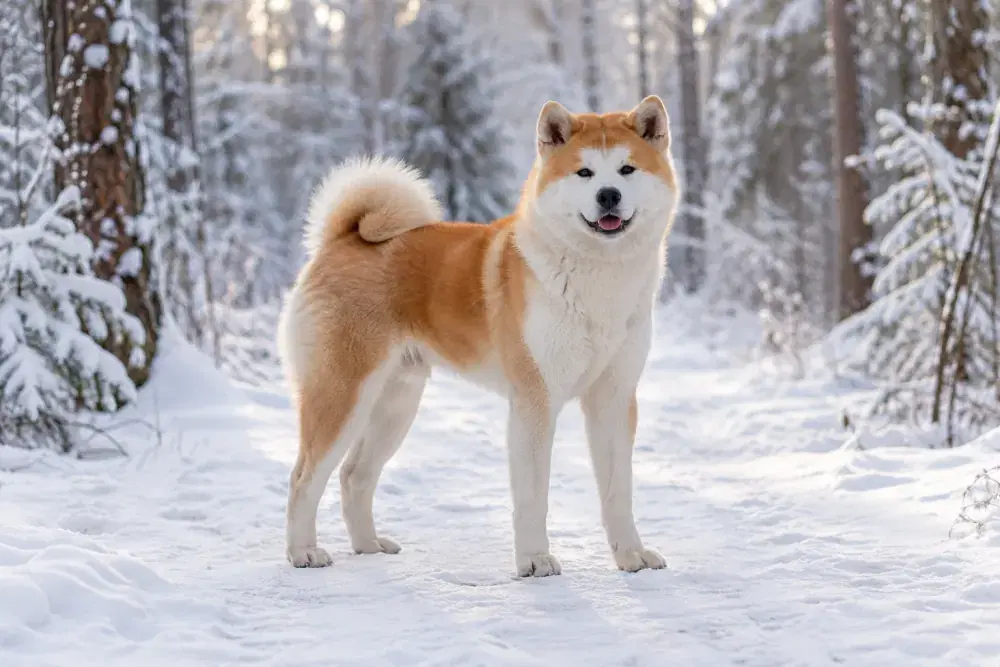 Working
Akita
Dignified, loyal and quietly powerful - a one-family guardian
- Size
- Large
- Exercise
- 75 min/day
- Lifespan
- 10-13 years
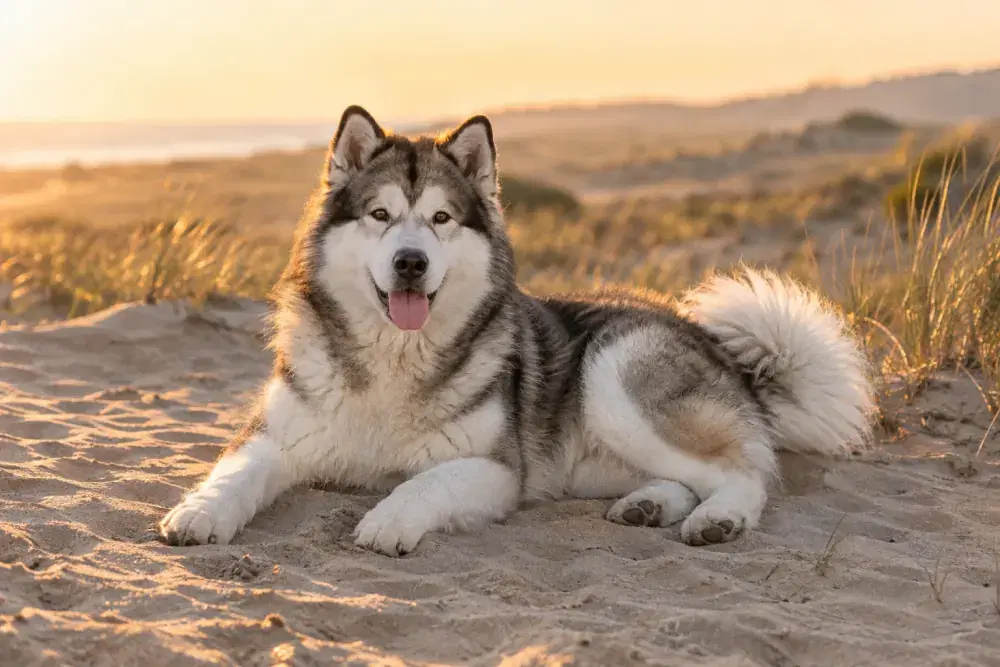 Working
Alaskan Malamute
Arctic strength with a friendly face and a stubborn streak
- Size
- Large
- Exercise
- 120 min/day
- Lifespan
- 10-14 years
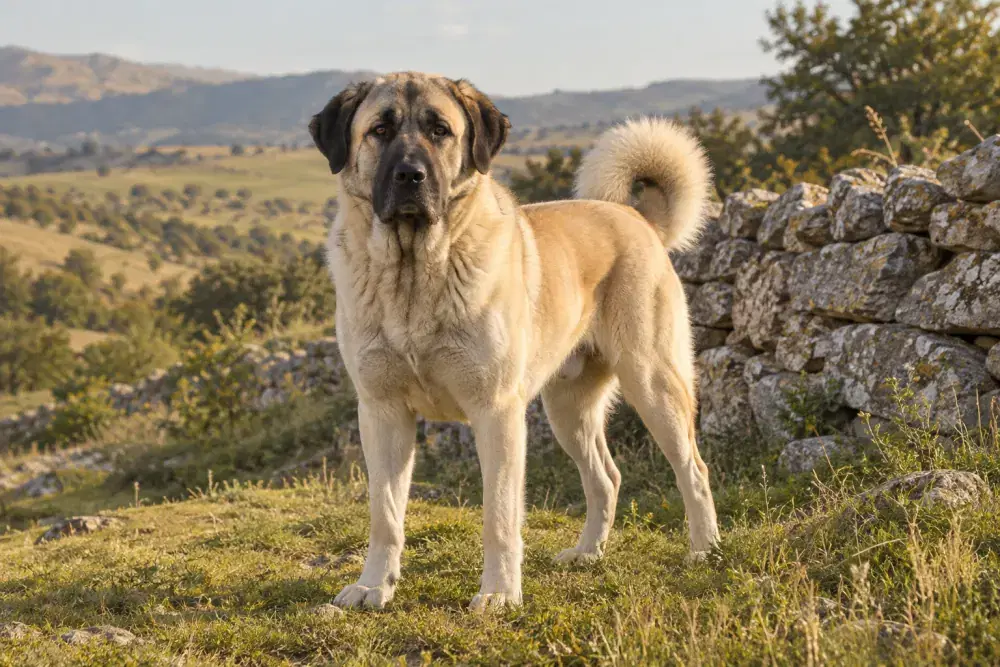 Working
Anatolian Shepherd Dog
A calm, powerful guardian that thinks for itself
- Size
- Large
- Exercise
- 60 min/day
- Lifespan
- 11-13 years