
German Shorthaired Pointer
Also known as GSP, Kurzhaar
A tireless all-round hunting dog with an engine that never stops
The German Shorthaired Pointer is a versatile hunting dog that points, retrieves and tracks, with boundless stamina and a keen mind. It is affectionate and eager to please, but is only happy with lots of daily exercise and a job to do.
Last updated
- Energetic
- Eager
- Affectionate
- Driven
How the German Shorthaired Pointer fits your home
- ChildrenUsually a good match
- Other dogsUsually a good match
- CatsNeeds extra care
- Apartment livingNeeds extra care
Caring for a German Shorthaired Pointer
- At least two hours of exercise a day, ideally including off-lead running and scent work
- The short coat needs only a weekly brush, but check the drop ears and dry the dog after wet outings
- Deep-chested and at risk of bloat - feed in smaller portions and avoid hard exercise around meals
Notes for sitters
- Plan a proper long walk or run every day - a bored pointer can wreck a home or fence
- Use a secure lead or long line near fields and woods, as the hunting instinct can override recall
- Puzzle feeders, fetch and scent games help burn energy when the weather keeps you indoors
A care plan for your German Shorthaired Pointer
This breed needs about 120 minutes of activity a day. Around 7 sitter-led sessions a week keeps that routine going when work or travel gets in the way.
120
Minutes of activity a day
7
Suggested sessions a week
Dog walking
Best-matched service
Common questions about the German Shorthaired Pointer
How much exercise does a German Shorthaired Pointer need?+
Around two hours a day, with off-lead running when safe. Without it, they become restless, noisy and destructive indoors.
Can a German Shorthaired Pointer live in an apartment?+
It is not ideal. They do best in homes with a garden and owners who commit to daily long outings and training.
Are they good with children and other pets?+
Usually friendly and playful with children, though their size and bounce need supervision. Their prey drive means small pets and cats may not be safe.
Similar breeds to explore
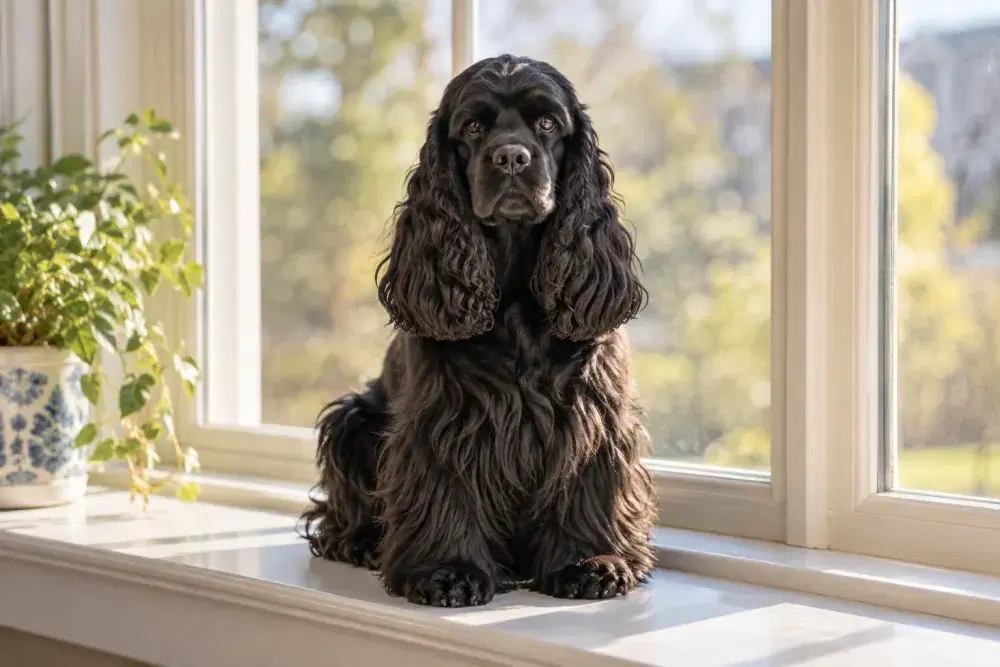 Sporting
American Cocker Spaniel
A merry, silky-coated companion that lives for company
- Size
- Small
- Exercise
- 60 min/day
- Lifespan
- 12-15 years
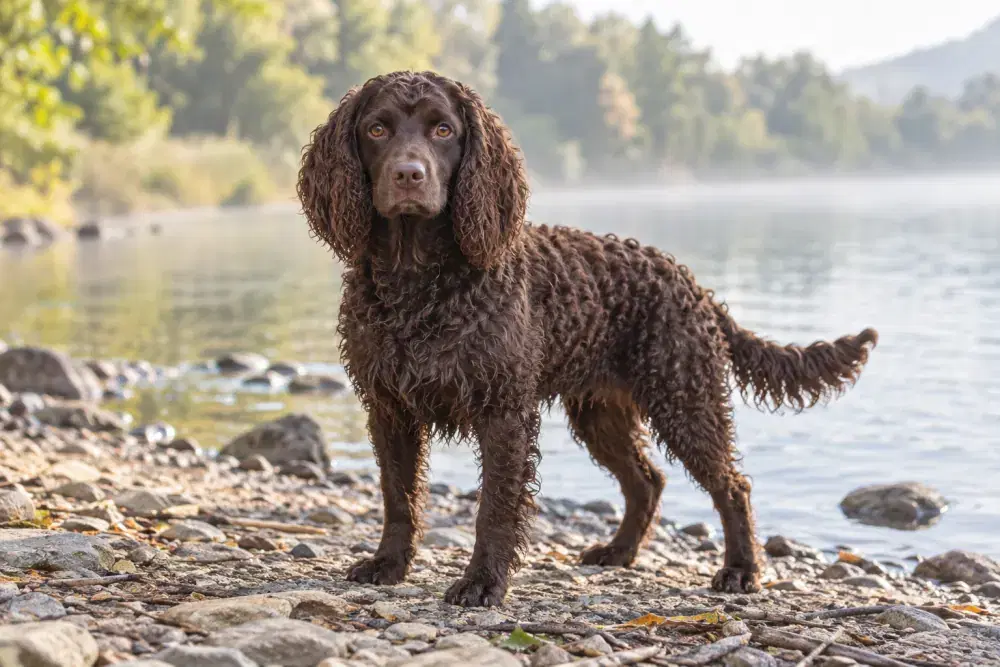 Sporting
American Water Spaniel
A curly-coated water retriever that loves a swim and a job
- Size
- Medium
- Exercise
- 90 min/day
- Lifespan
- 10-14 years
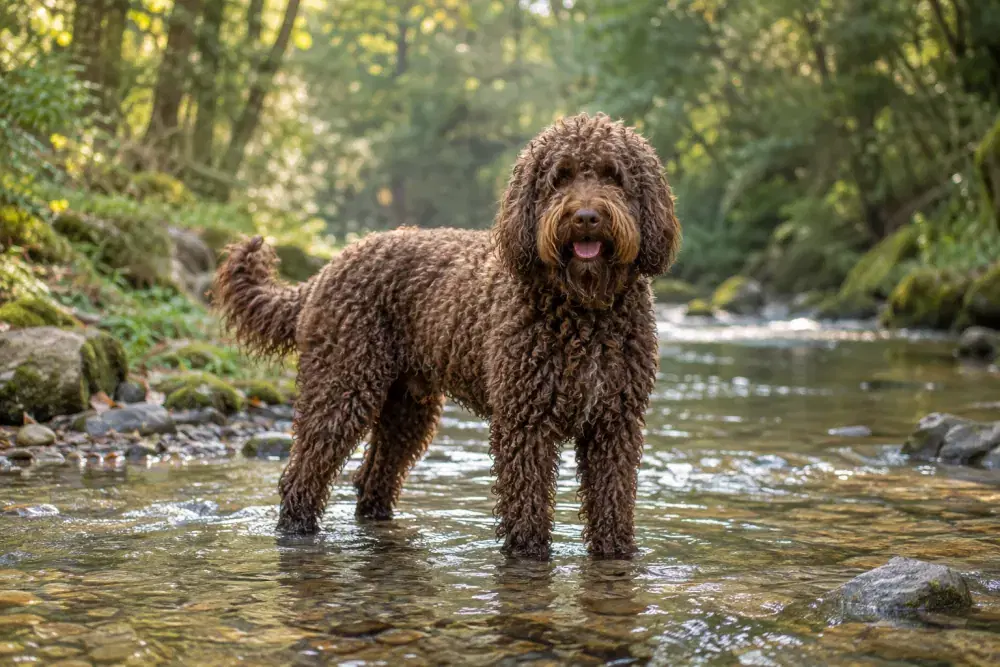 Sporting
Barbet
A shaggy French water dog that never says no to a swim
- Size
- Medium
- Exercise
- 90 min/day
- Lifespan
- 13-15 years