Cardigan Welsh Corgi
Also known as Cardigan Corgi, Cardi
A long-bodied Welsh drover with a fox brush and big ears
The Cardigan Welsh Corgi is an old Welsh cattle herder, low to the ground and sturdy, with a long tail and large upright ears. It is loyal, adaptable and clever, but its long back and love of food both need careful management.
Last updated
- Loyal
- Adaptable
- Clever
- Watchful
How the Cardigan Welsh Corgi fits your home
- ChildrenUsually a good match
- Other dogsUsually a good match
- CatsUsually a good match
- Apartment livingUsually a good match
Caring for a Cardigan Welsh Corgi
- Around an hour of exercise a day, with walks and games that suit its short legs
- Brush a couple of times a week, and daily during the heavy twice-yearly coat change
- Prone to gaining weight, which strains the long back - measure food and limit jumping and stairs
Notes for sitters
- Lift it on and off furniture and avoid letting it jump from heights
- Keep treats to a minimum, as the breed begs and gains weight easily
- Expect some heel nipping when excited - redirect calmly to a toy or a game
A care plan for your Cardigan Welsh Corgi
This breed needs about 60 minutes of activity a day. Around 3 sitter-led sessions a week keeps that routine going when work or travel gets in the way.
60
Minutes of activity a day
3
Suggested sessions a week
Day care
Best-matched service
Common questions about the Cardigan Welsh Corgi
What is the difference between a Cardigan and a Pembroke Welsh Corgi?+
The Cardigan is a bit larger and heavier, and it has a long fox-like tail and rounder ears, while the Pembroke has a short or docked tail and pointed ears. They are separate breeds.
Do Cardigan Welsh Corgis shed a lot?+
Yes, the dense double coat sheds all year and more heavily twice a year. Regular brushing helps keep loose hair under control.
Are Cardigan Welsh Corgis good with children?+
Yes, they are usually friendly and steady, though the herding instinct can lead to heel nipping, so supervise play with small children.
Similar breeds to explore
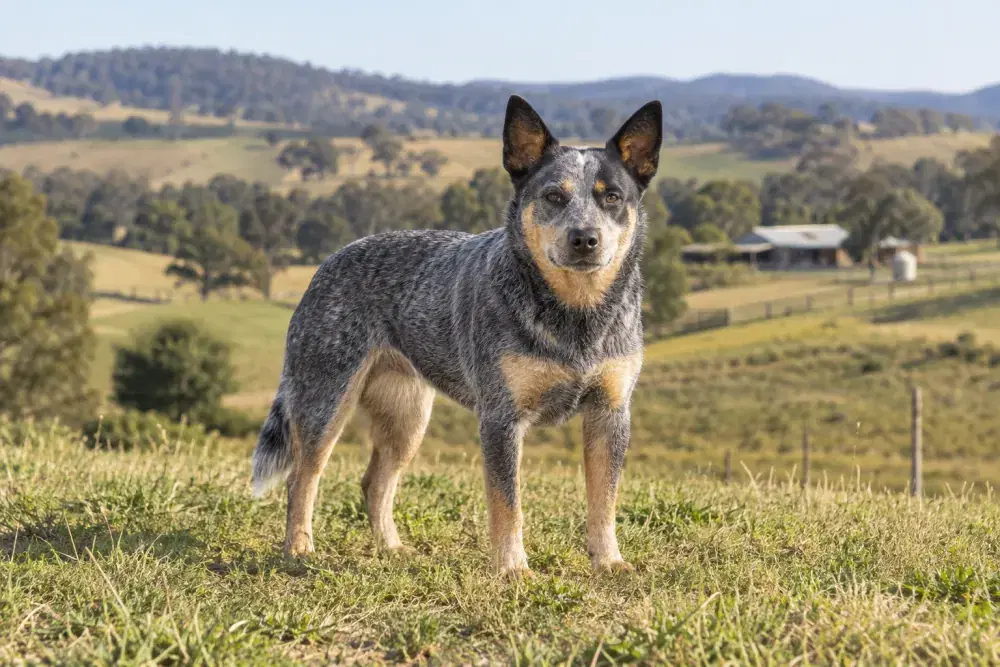 Herding
Australian Cattle Dog
A tireless, tough herder that needs a real job to do
- Size
- Medium
- Exercise
- 120 min/day
- Lifespan
- 12-15 years
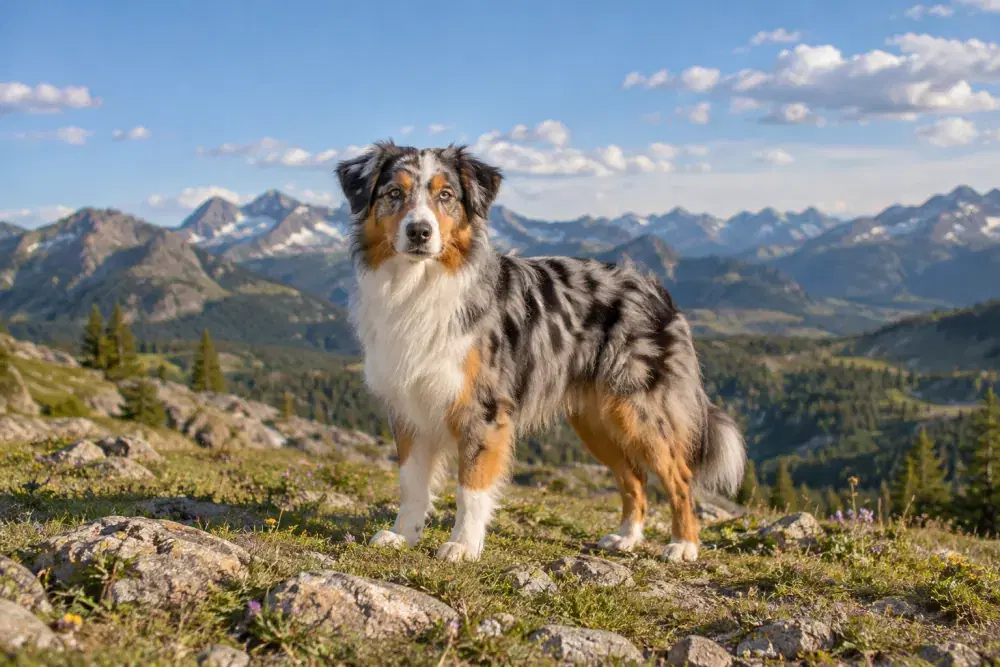 Herding
Australian Shepherd
A tireless thinker that needs a job as much as a walk
- Size
- Medium
- Exercise
- 120 min/day
- Lifespan
- 12-15 years
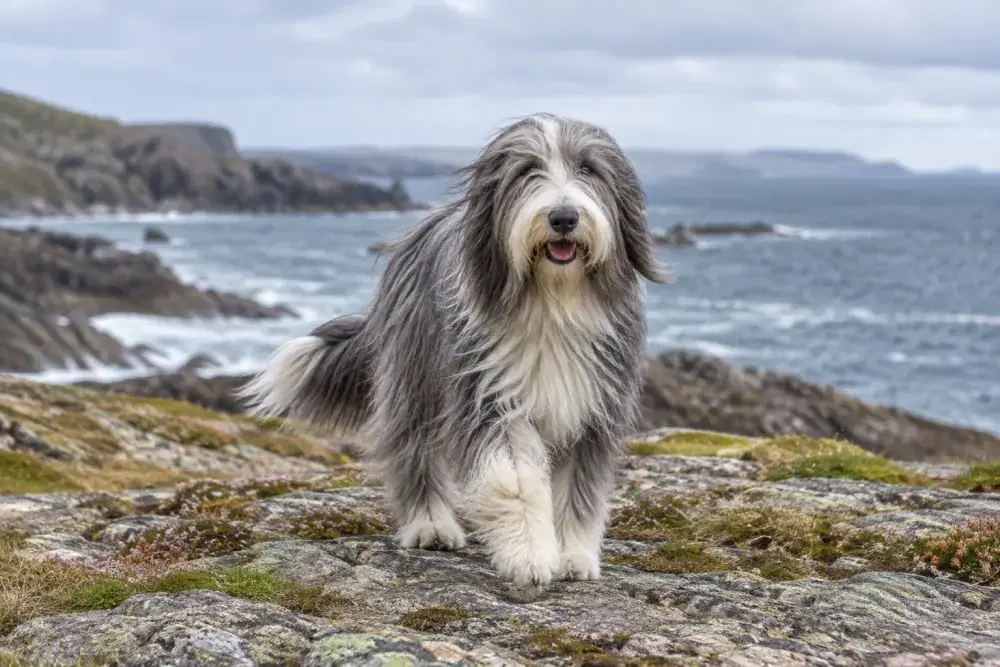 Herding
Bearded Collie
A bouncing, shaggy herder with boundless good humour
- Size
- Medium
- Exercise
- 90 min/day
- Lifespan
- 12-14 years